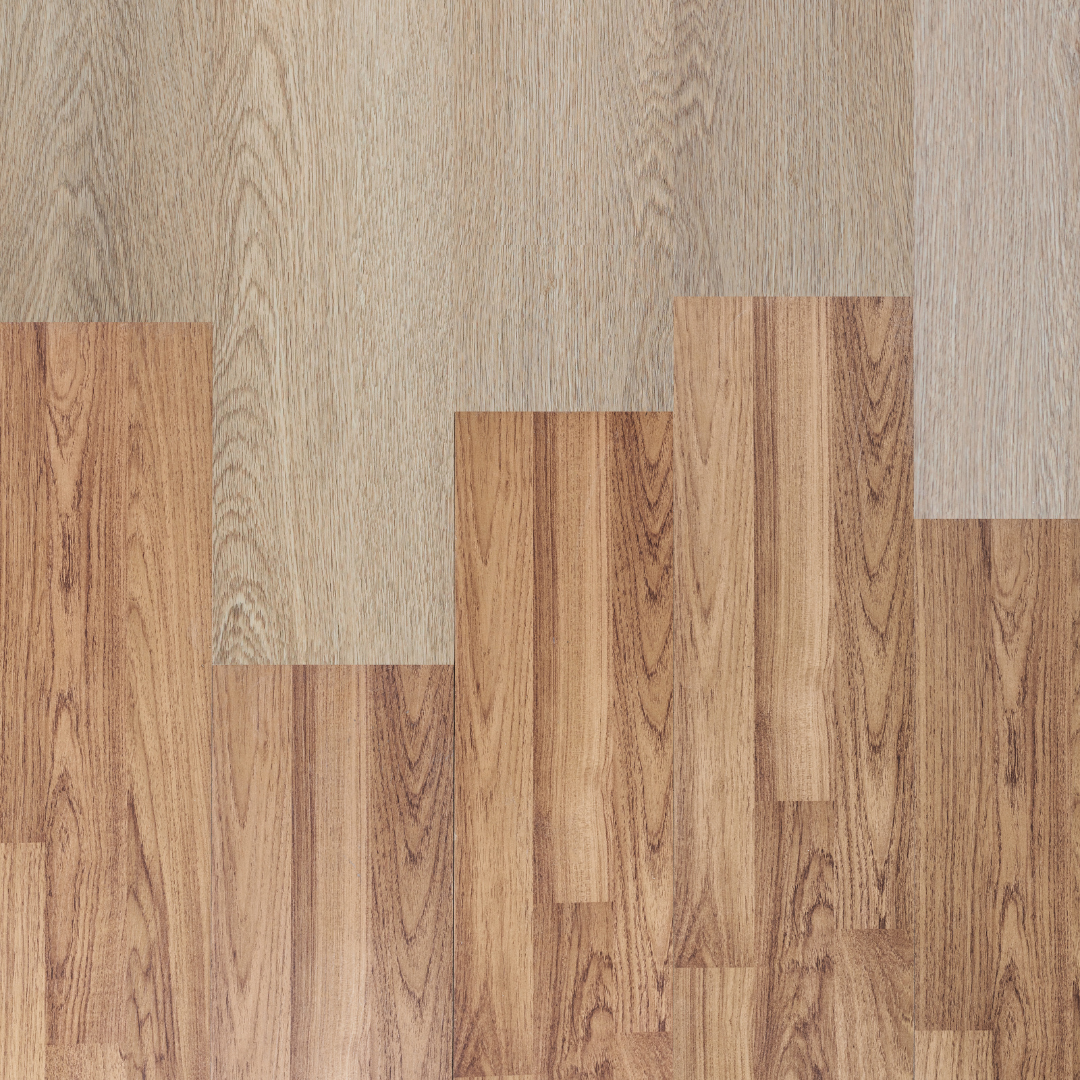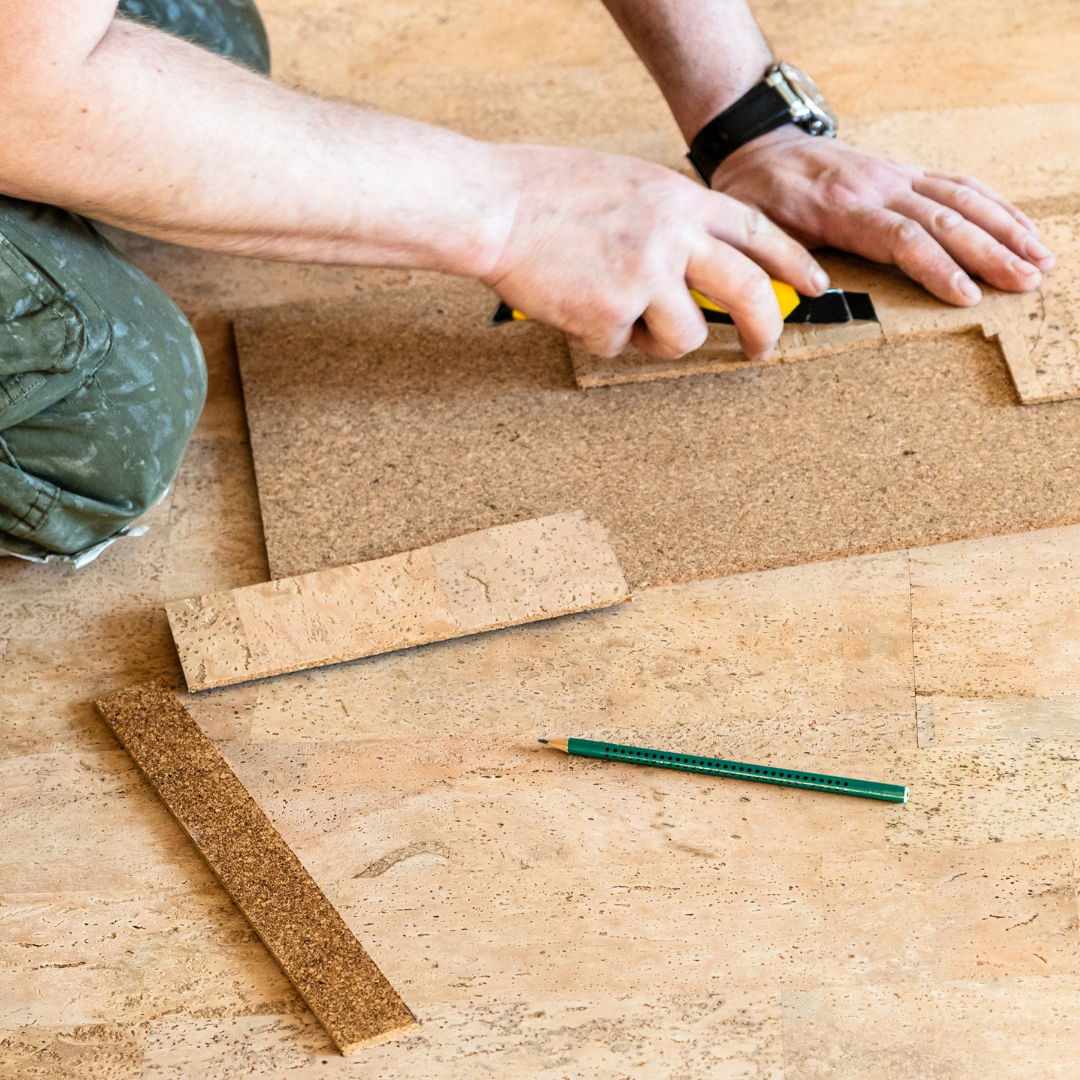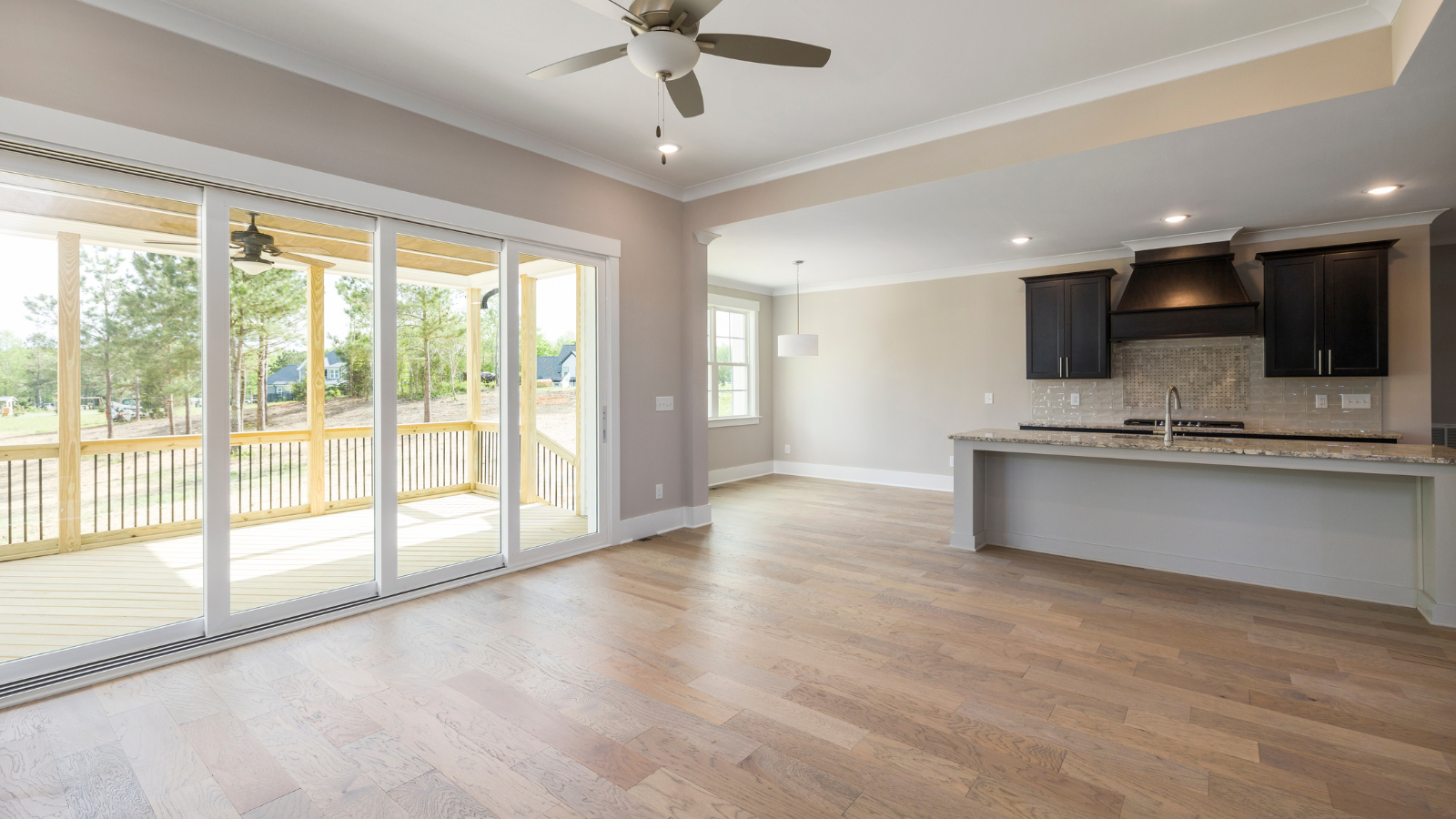

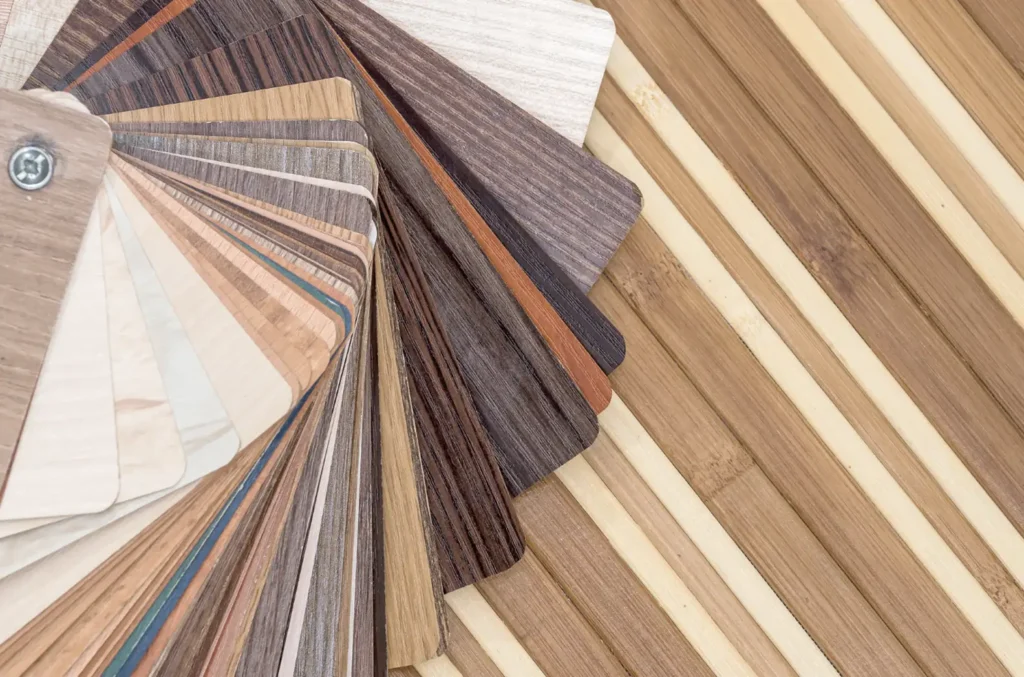
Selecting the perfect wood floor colour is a crucial decision when designing your home. The right shade can enhance your décor, create a specific ambiance, and even affect how spacious a room feels. With so many options available—from light natural tones to rich dark hues—finding the ideal colour may seem overwhelming. This guide will walk you through key factors to consider when choosing the perfect wood floor colour for your home.
Consider Your Home’s Style and Aesthetic
The colour of your wood flooring should complement the overall design of your home. Different shades can set various moods and enhance particular styles.
- Modern and Minimalist: Opt for light, neutral shades like white oak, beige, or soft grey to create an open, airy feel.
- Rustic and Farmhouse: Warm, medium-toned woods such as honey oak or chestnut add character and coziness.
- Traditional and Classic: Rich, dark colours like mahogany or walnut convey elegance and timelessness.
- Scandinavian-Inspired: Pale, natural tones like birch or ash provide a clean and simple aesthetic.
Tip: Gather inspiration from interior design websites or magazines to see how different wood tones work with various styles.
Evaluate the Size and Lighting of the Space
Wood floor colours can influence how large or small a room appears. Natural lighting also plays a significant role in how the floor’s hue is perceived.
- Small Rooms: Lighter wood shades can make a small space feel larger and brighter.
- Large Rooms: Darker tones add warmth and create a cozy atmosphere in larger areas.
- Natural Light: If your room gets a lot of sunlight, lighter floors will glow beautifully, while darker floors may fade over time.
- Artificial Light: Warm lighting enhances rich wood tones, while cool lighting emphasizes lighter and greyer hues.
Tip: Test floor samples in your space during different times of the day to see how lighting affects the colour.
Match or Contrast with Existing Furniture
Your wood floor should either harmonise with or provide a striking contrast to your furniture and cabinetry.
- Matching Approach: Choose a floor colour that complements existing wood furniture for a cohesive, seamless look.
- Contrasting Approach: Use darker floors with light furniture (or vice versa) to add visual interest and dimension.
Tip: Avoid exact matches between your flooring and furniture—it can create a monotonous, “flat” appearance.
Think About Maintenance and Lifestyle
Different wood floor colours require varying levels of maintenance. Consider your household’s lifestyle when making your choice.
- Light Floors: Show less dust but may highlight dark scuffs and stains.
- Medium Floors: The most forgiving option for hiding dust, dirt, and minor scratches.
- Dark Floors: Conceal stains but highlight dust, pet hair, and scratches more easily.
Tip: If you have children or pets, choose a medium-toned wood for a balance of beauty and practicality.
Explore Different Wood Types and Finishes
Different wood species and finishes can affect the overall colour and texture of your flooring.
- Oak: Versatile with a range of light to dark finishes.
- Maple: Light and smooth, perfect for modern spaces.
- Walnut: Rich and dark for a luxurious touch.
- Hickory: Rustic with natural colour variation.
Finishes like matte, satin, or gloss also impact the final appearance. Matte finishes offer a natural look, while glossier finishes reflect light and add elegance.
Test Samples in Your Space
Never rely solely on showroom displays—always test samples in your home before making a decision.
How to Test Samples:
- Place several wood samples in the room where the flooring will be installed.
- Observe how they look in both natural and artificial light throughout the day.
- Compare against your furniture, walls, and décor.
Consider Long-Term Appeal
Trends come and go, but classic wood floor colours remain timeless. Think about how your flooring choice will age and whether it will complement future design changes.
- Timeless Choices: Natural oak, medium browns, and warm greys.
- Trendy Choices: Whitewashed planks, espresso tones, and bold stains.
Tip: If you’re unsure, opt for a neutral tone that provides flexibility for future renovations.
Final Thoughts
Choosing the perfect wood floor colour involves balancing style, practicality, and personal preference. By considering your home’s aesthetic, the size and lighting of your space, and your lifestyle needs, you can select a wood tone that enhances your living environment for years to come. Don’t forget to test samples in your home and think about long-term appeal before making a final decision.