Skip to content



When it comes to timeless, elegant flooring choices, parquet flooring often stands at the top of the list. Known for its intricate geometric patterns, parquet flooring adds a touch of sophistication and character to any home. In recent years, engineered parquet flooring has gained popularity as a modern, versatile, and durable alternative to traditional solid wood parquet. It offers all the beauty of parquet with additional benefits like enhanced stability, ease of installation, and environmental sustainability.
In this blog, we’ll explore the advantages of engineered parquet flooring, how it compares to solid wood options, and what you should consider when selecting the perfect parquet floor for your home.
What Is Engineered Parquet Flooring?
Engineered parquet flooring is made up of multiple layers. The top layer, known as the veneer, is made of real hardwood, giving it the authentic look and feel of solid wood. Beneath the veneer are multiple layers of plywood or high-density fiberboard (HDF), arranged in a crisscross pattern. This unique construction enhances the floor’s stability, making it resistant to warping or swelling when exposed to moisture or changes in temperature.
While the top layer showcases the intricate patterns that make parquet flooring so distinctive—such as herringbone, chevron, or basket weave—the engineered core ensures longevity and resilience.
Key Benefits of Engineered Parquet Flooring
1Timeless Elegance with Modern Durability
Engineered parquet flooring provides the classic beauty of traditional parquet but with added durability. The real wood top layer delivers the same warmth and aesthetic appeal, while the engineered construction underneath makes it more resistant to everyday wear and tear. This makes engineered parquet a great choice for high-traffic areas like hallways, living rooms, or even kitchens.
Resistance to Moisture and Temperature Changes
One of the standout benefits of engineered parquet is its ability to handle moisture and fluctuations in temperature. Traditional solid wood floors can expand and contract with changing humidity levels, leading to gaps, warping, or buckling over time. Engineered parquet’s multi-layered construction reduces this risk, making it suitable for rooms with underfloor heating or spaces prone to moisture, such as basements or conservatories.
Environmentally Friendly Option
Engineered parquet flooring is more eco-friendly than solid wood parquet. Since only the top layer is made of hardwood, it requires less raw wood in production, helping conserve valuable timber resources. Many engineered floors are also made from fast-growing, renewable wood species for the core layers. Plus, opting for sustainably sourced materials ensures that the flooring you choose has a lower environmental impact.
Easy Installation
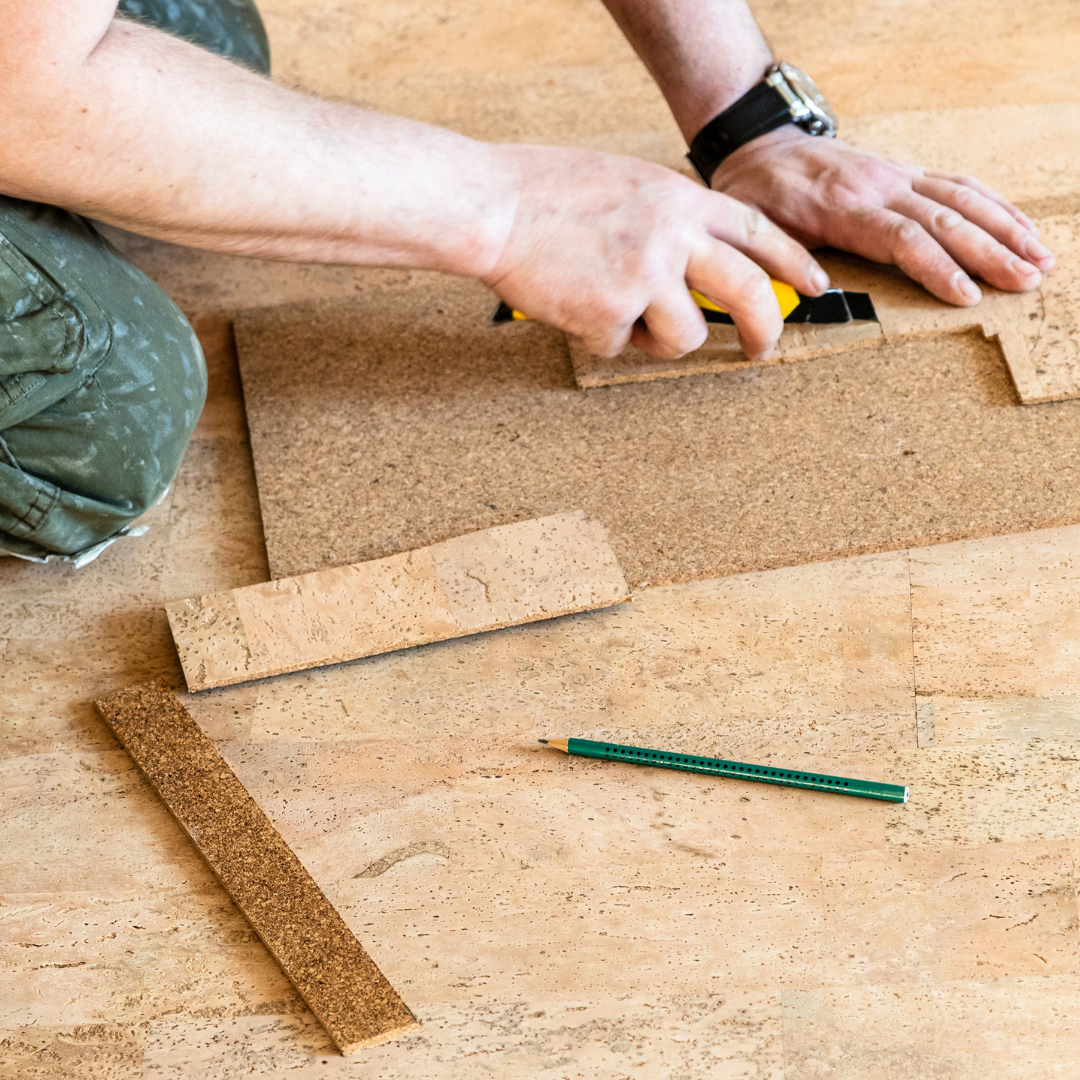
Compared to solid wood flooring, engineered parquet is much easier to install. It often comes in pre-finished, click-and-lock systems that make it suitable for DIY installation. The floating floor method, where you can simply click the boards together without the need for nails or glue, allows for faster installation and minimal disruption to your home. This method also enables easier repairs, as individual planks can be replaced without having to remove large sections of the floor.
Cost-Effective
Engineered parquet flooring is typically more affordable than its solid wood counterpart. While it still provides the luxurious look of real wood, the use of plywood or HDF in the core layers reduces the overall cost of the product. Additionally, its durability means it will last for many years, making it a smart long-term investment.
Versatile Design Options
One of the most appealing aspects of parquet flooring is the variety of patterns available. Engineered parquet flooring offers the same intricate patterns as solid parquet, from classic herringbone and chevron to more elaborate designs like Versailles panels. These patterns can enhance the visual interest of any room, whether you’re looking to create a statement floor or complement a minimalist space.
Engineered Parquet vs. Solid Wood Parquet: Which Is Better?
Both engineered and solid wood parquet have their own strengths, but engineered parquet has several distinct advantages:
- Moisture Resistance: Engineered parquet is better suited for humid environments or rooms with fluctuating temperatures, such as kitchens, basements, or homes with underfloor heating. Solid wood can expand or contract in these conditions.
- Installation: Engineered parquet is easier to install and you can often lay it as a floating floor, whereas solid wood typically requires professional installation.
- Cost: Engineered parquet tends to be more affordable than solid wood while still offering the same luxurious appearance.
- Durability: While you can sand and refinish hard wood multiple times, you can still sand parquet flooring (depending on the thickness of the top layer), making it a durable option for most homes.
Factors to Consider When Choosing Engineered Parquet Flooring
If you’re thinking about installing engineered parquet flooring, there are a few factors to keep in mind to ensure you make the right choice for your home:
Wood Species
The top layer of parquet flooring contains real hardwood, and different wood species offer different looks, textures, and levels of hardness. Oak is a popular choice due to its durability and classic grain pattern, but you can also find parquet flooring in walnut, maple, ash, and more exotic species like teak or bamboo.
Veneer Thickness
The thickness of the top hardwood layer will determine how many times you can sand and refinish the flooring. Thicker veneers (around 3-7mm) allow for more refinishing, which extends the life of your floor. If you expect heavy use or want the option to refinish in the future, choose a floor with a thicker veneer.
Finish
Engineered parquet flooring comes in a variety of finishes, including oiled, lacquered, or brushed. An oiled finish gives a natural, matte look but may require more maintenance, while a lacquered finish offers more protection and is easier to clean. Brushed finishes provide a more textured surface, adding a rustic or distressed appearance to the floor.
Pattern
The beauty of parquet flooring lies in its design. Whether you prefer the classic herringbone pattern, the bold chevron design, or something more intricate, the pattern you choose will have a significant impact on the overall aesthetic of your space. Parquet patterns can make smaller rooms feel more dynamic or add a sense of luxury to larger spaces.
Maintenance Tips for Engineered Parquet Flooring
Engineered parquet flooring is relatively easy to maintain, but a few key practices will help keep it looking its best:
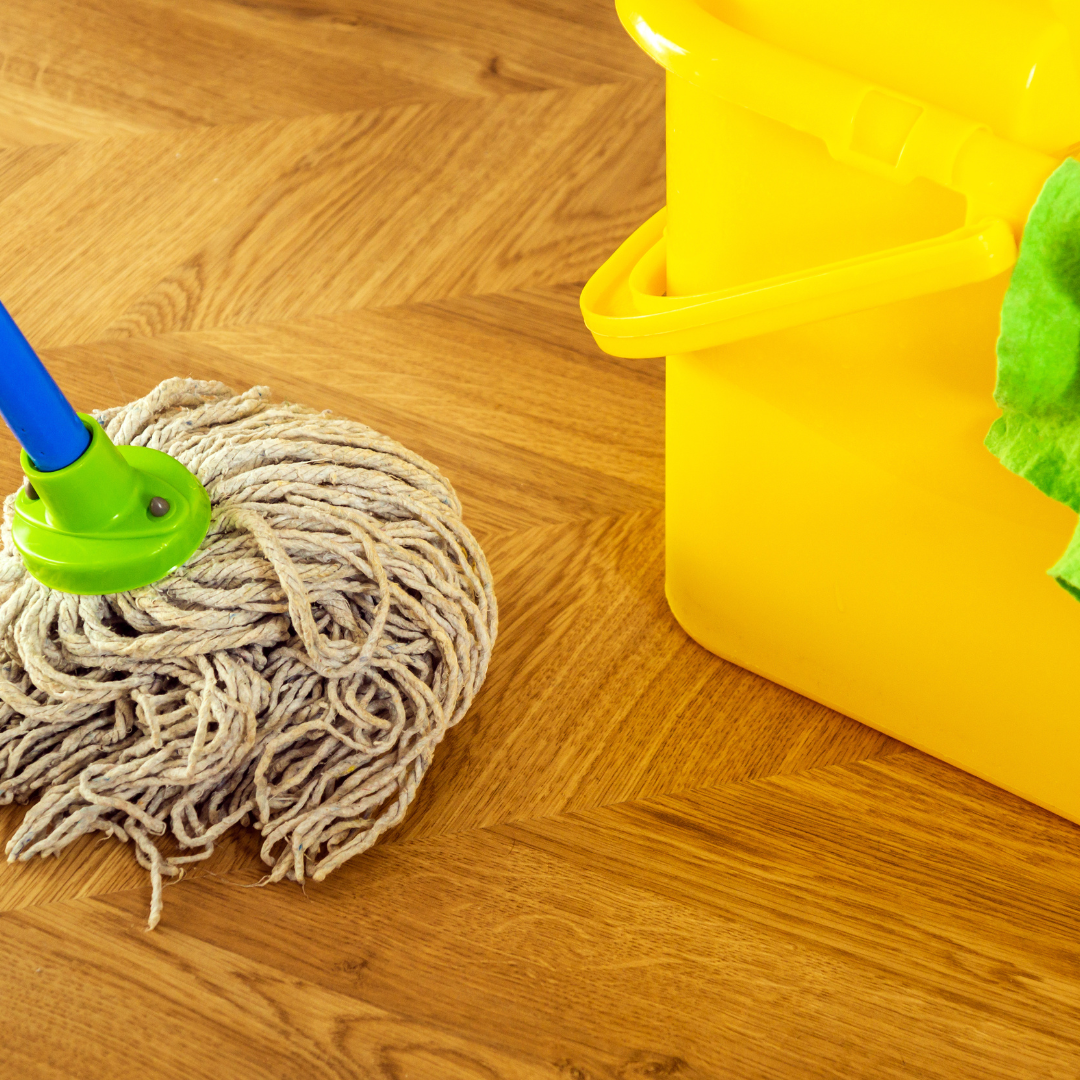
- Regular Cleaning: Sweep or vacuum regularly to remove dirt and debris that can scratch the surface. Use a damp mop with a wood-safe cleaner for more thorough cleaning.
- Avoid Excess Water: Although engineered parquet is more resistant to moisture, it’s important to avoid excessive water exposure. Wipe up spills immediately and avoid wet mopping.
- Refinishing: Depending on the thickness of the top layer, you can sand and refinish engineered parquet multiple times over its lifespan.
Conclusion
Engineered parquet flooring is a stylish, durable, and practical choice for homeowners who want the beauty of traditional parquet without the drawbacks of solid wood. Its resistance to moisture, ease of installation, and eco-friendly benefits make it a smart investment for any space. Whether you’re looking to add a touch of elegance to your living room or make a bold statement in your entryway, engineered parquet flooring offers a versatile, long-lasting solution for your home.