Skip to content



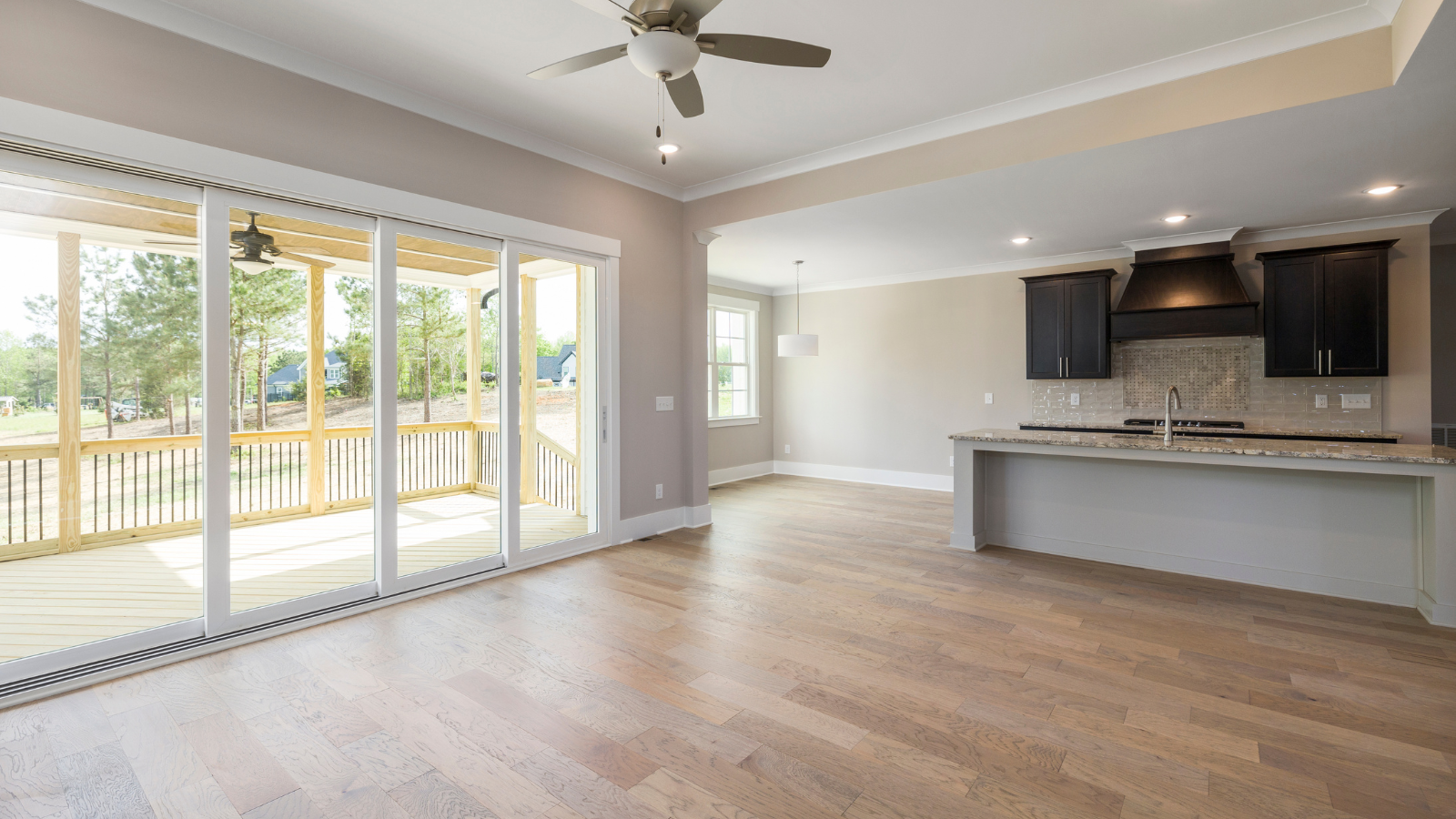
Engineered hardwood flooring creates a cosy and welcoming atmosphere in any home. Although engineered floors are more aesthetically pleasing, durable, and reasonably priced than hardwood, engineered flooring is still a perennial favourite with homeowners and interior designers. A growing number of people are choosing constructed wood flooring because of their improved qualities and characteristics.
The benefits of Engineered Hardwood Flooring
A gorgeous and timeless addition, solid wood raises any home’s market value. Plywood is the best option if you like the look of hardwood but want something more pricey and maintenance-free. Here are some convincing arguments in favour of engineered hardwood flooring as a fantastic option for your house and your wallet.
It Is Unaffected By Changes In Temperature And Humidity
Engineered hardwood flooring does not contract or expand in response to variations in temperature or humidity, unlike solid wood and plywood. Because of this, it is less likely to shatter or twist. Its distinctive design, which consists of a layer of hardwood plywood, accounts for its solidity.
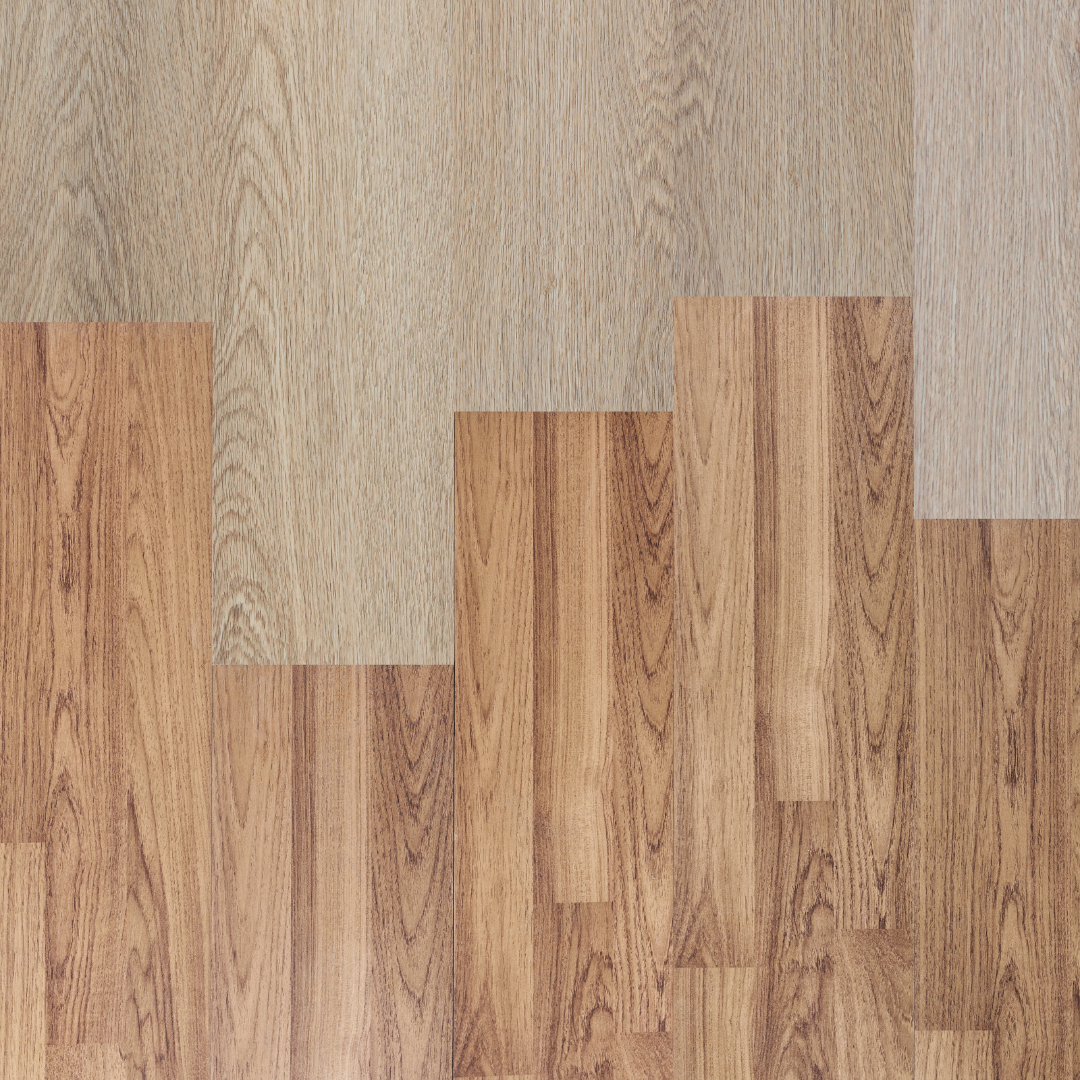
There Are Several Finishes And Hues
Even though there are many different varieties, patterns, and grades of hardwood flooring, they are typically highly expensive. Designer floors come in a variety of hues, grades, and finishes and are more reasonably priced.
You may thus discover the floor that meets your demands, whether you want a bright, strong, affordable alternative or a high-quality vintage look.
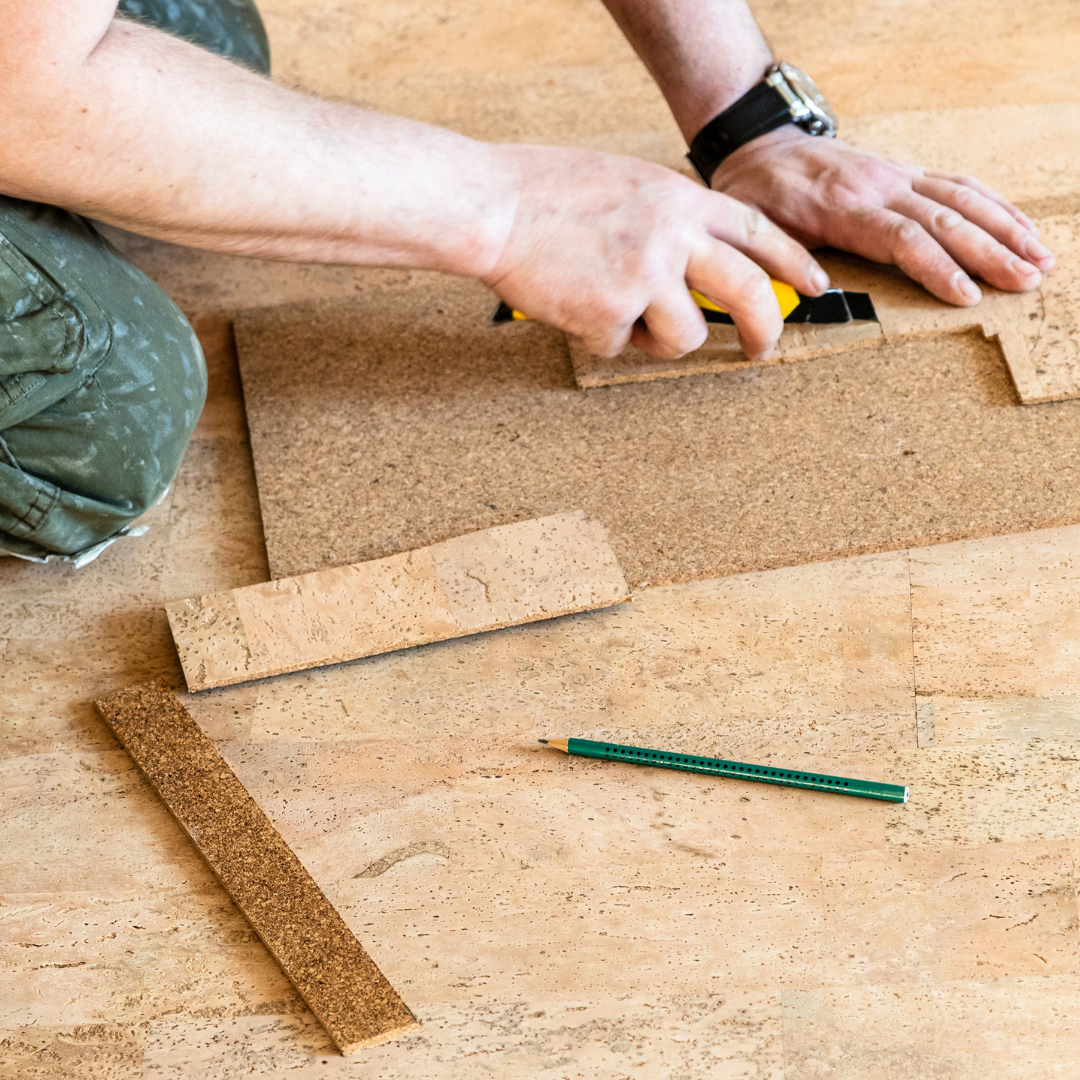
Simple To Install
Solid wood planks often range in thickness from 3/4 inch to 7/16 inch since they are made directly from bigger tree trunks. But to create glulam, many layers of high-density fiberboard are joined together and then a hardwood board is placed on top. It covers more floor space and is wider than typical solid wood panels. Less connections are required, which makes installation simpler. For hardwood floors, the stapling or nailing technique is typical, but you can also glue staples, nails, floors, and even laminate planks. DIY floor aficionados prefer the glue or tap versions in particular.
Affordable: Because engineered hardwood flooring is manufactured entirely of wood, it is obviously more expensive than plywood.
Designer wood floors provide you the option to choose any wood style or pattern for a reasonable price. It also costs less to maintain and care for, making it a worthwhile investment.
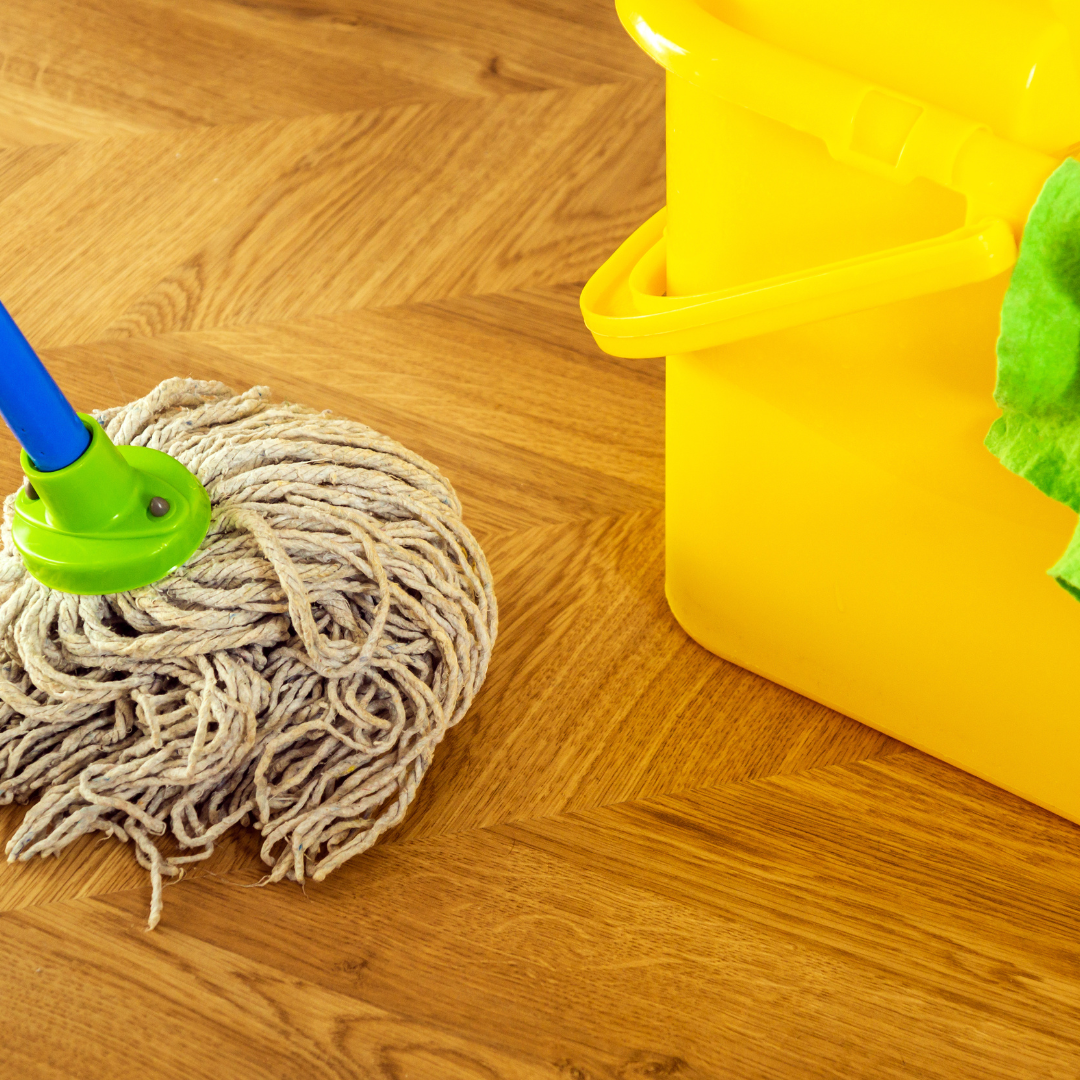
Simple To Maintain
The greatest option if you want a floor that looks good and needs little upkeep is one that is particularly built.
Although hardwood floors are lovely, they frequently lose their lustre. Dent repairs frequently involve sanding and finishing, but these methods can be costly, pollute the chemicals being used, and increase the risk of inhalation. Designer floors, frequently have a topcoat or veneer of wood that only seldom needs to be washed or moped. Possibly restored Contrary to popular opinion, plywood can be repaired. However, this relies on how thick the wood is on top. Also, every time it is sanded, a little bit of its thickness is lost. Typically, hardwood floors can be repainted once or twice before being replaced.