Skip to content


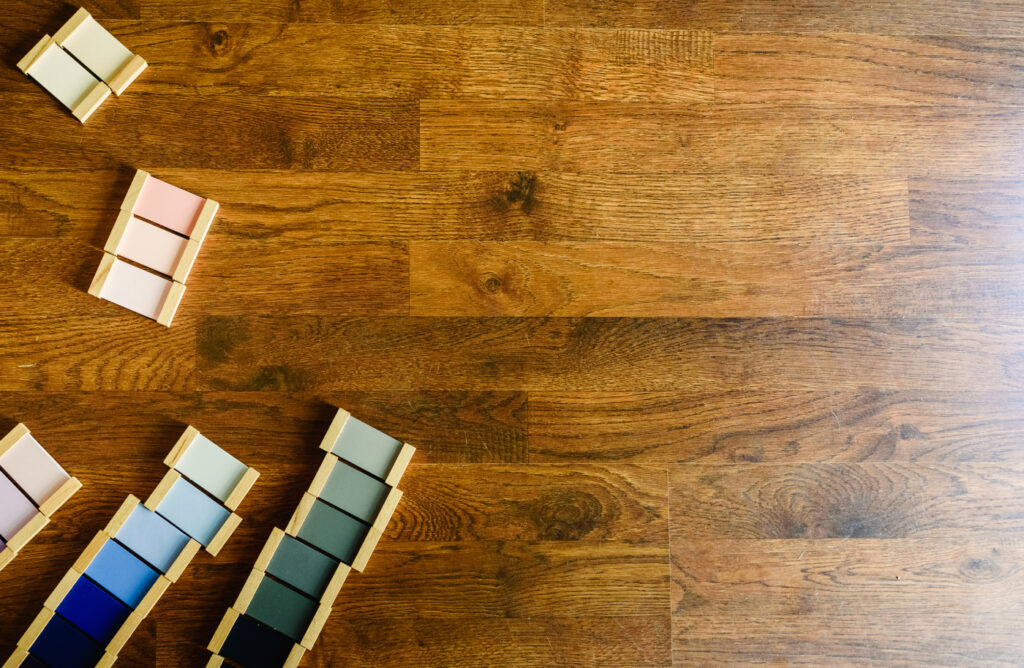
When selecting oak flooring for your home, one of the most important factors to consider is the grade of the wood. Oak flooring comes in a variety of grades, each with its unique characteristics, including variations in color, grain patterns, and the presence of knots or other natural features. Understanding these grades can help you choose the right oak flooring to match your aesthetic preferences and functional needs. In this blog, we’ll explore the different oak flooring grades, their defining features, and where each grade might be best suited in your home.
What Are Oak Flooring Grades?
Oak flooring grades refer to the visual characteristics of the wood, including the consistency of color, the presence of knots, and the overall appearance of the grain. The grading system helps categorize oak flooring into different types, each offering a distinct look and feel. It’s important to note that grading doesn’t affect the durability or quality of the wood; it simply provides a way to classify the aesthetic features of the flooring.
The Main Oak Flooring Grades
1. Prime Grade (Select Grade)
- Appearance: Prime grade oak flooring, also known as select grade, offers the most uniform and consistent appearance. The wood is typically free of large knots, sapwood, and other natural imperfections. The grain pattern is subtle, and the color is relatively consistent throughout the planks.
- Features:
- Minimal to no knots
- Consistent color
- Fine, even grain pattern
- Few, if any, mineral streaks or other natural markings
- Best Use: Prime grade oak flooring is ideal for modern and contemporary interiors where a sleek, clean look is desired. It’s often used in high-end residential spaces, offices, and commercial settings where a refined, elegant appearance is essential.
2. Select Grade
- Appearance: Select grade oak flooring offers a slightly more natural look compared to prime grade, with a few small knots and some variation in color and grain. The overall appearance is still relatively uniform, but with more character than prime grade.
- Features:
- Small, tight knots (typically under 10mm in size)
- Slight color variation
- Natural grain with some character
- Minimal sapwood and other markings
- Best Use: Select grade is perfect for homeowners who want a balance between a clean, polished look and a bit of natural charm. It works well in living rooms, dining rooms, and bedrooms where a touch of character enhances the space without overwhelming it.
3. Natural Grade (Millrun Grade)
- Appearance: Natural grade, also known as millrun grade, offers a more varied and rustic look. This grade includes a mix of cleaner boards with some that have larger knots, color variation, and more prominent grain patterns. The wood may also show some mineral streaks and small amounts of sapwood.
- Features:
- Medium-sized knots (up to 20mm)
- Noticeable color variation
- Distinct grain patterns
- Occasional mineral streaks and sapwood
- Best Use: Natural grade oak flooring is ideal for those who appreciate the authenticity and natural beauty of wood. It’s a great choice for rustic, traditional, or country-style homes where the character and warmth of the wood are celebrated. It’s also popular in cozy, family-oriented spaces like kitchens, living rooms, and cottages.
4. Rustic Grade (Country Grade)
- Appearance: Rustic grade, also referred to as country grade, is the most character-rich of all the oak flooring grades. This grade embraces the full range of natural features found in oak, including large knots, cracks, color variation, and prominent grain patterns. Rustic grade flooring tells the story of the wood’s origin, showcasing its natural imperfections.
- Features:
- Large knots (over 20mm)
- Significant color variation
- Pronounced grain patterns
- Cracks, mineral streaks, and sapwood may be present
- Best Use: Rustic grade oak flooring is perfect for creating a warm, inviting atmosphere with a lot of personality. It’s commonly used in country homes, cabins, and spaces where a rugged, natural look is desired. Rustic grade flooring also works well in industrial-style interiors, where the contrast between natural wood and metal or concrete creates a striking aesthetic.
How to Choose the Right Oak Flooring Grade
1. Consider the Room’s Style
The style of the room where the oak flooring will be installed plays a significant role in determining the appropriate grade. For modern and minimalist interiors, prime or select grade oak is usually the best choice, offering a clean and uniform look. For more traditional, rustic, or eclectic spaces, natural or rustic grades will enhance the character and warmth of the room.
2. Think About the Desired Aesthetic
If you prefer a floor with minimal imperfections and a consistent appearance, opt for prime or select grades. These grades offer a more polished, refined look. On the other hand, if you love the idea of a floor that showcases the natural beauty of the wood, complete with knots and color variations, natural or rustic grades will be more suitable.
3. Budget Considerations
Prime and select grades are typically more expensive than natural and rustic grades due to the extra care taken in selecting and milling the wood. If budget is a concern, natural and rustic grades offer a more affordable option without sacrificing the durability and quality of the flooring.
4. Functional Needs
Consider the function of the room as well. High-traffic areas like hallways and kitchens may benefit from a more rustic grade, where natural wear and tear will blend in with the wood’s existing character. For bedrooms and formal living areas, a smoother, more uniform grade might be preferred for its elegant appearance.
Conclusion
Choosing the right oak flooring grade is a matter of balancing aesthetic preferences, functional needs, and budget considerations. Whether you’re drawn to the clean lines of prime grade or the rustic charm of country grade, oak flooring offers a range of options to suit any style. By understanding the different grades and what they bring to a space, you can make an informed decision that enhances the beauty and comfort of your home for years to come.