
A floating floor is usually a term used by professional floor fitters which is merely a method of installing laminate or engineered flooring.
What is a Floating Floor?
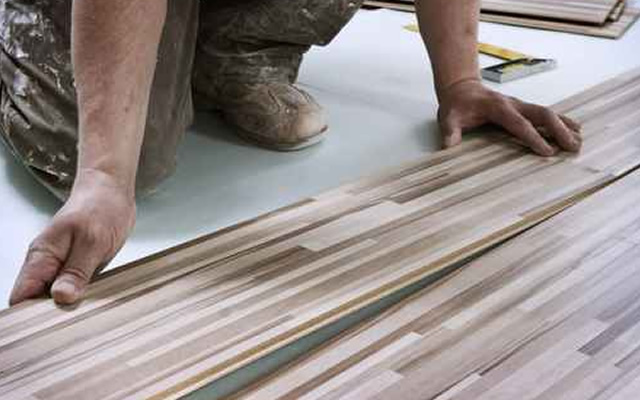
A floating floor is simply a type of flooring that does not need to be nailed, glued or fixed to the subfloor on installation. In almost all instances, a floating floor is usually engineered or laminate flooring, which is laid upon an underlay. The underlay and the interlocking system of the wooden flooring is what keeps it altogether.
A floating floors installation is one of easiest ways to lay wooden flooring as no specialist tools are required. The boards simply click together making the process extremely quick and easy. Where this is perfect for a DIY enthusiast it can still be quite tricky when trying to finish the flooring to a high standard. Clicking boards together one after the other is quite straight forward, but when you are confronted with corners and reverse angles it tends to get a little tricky. Do you take the skirting off for a seamless finish or do you work up to the skirting and then finish of with wooden trim around the room? Each option still requires a lot of skill for a professional finish.
Underlays are essential to a floating floor as it gives extra sound and heat insulation. If you are installing over underfloor heating, then thinner underlays are available that offer sound reductions whilst allow heat to pass through.
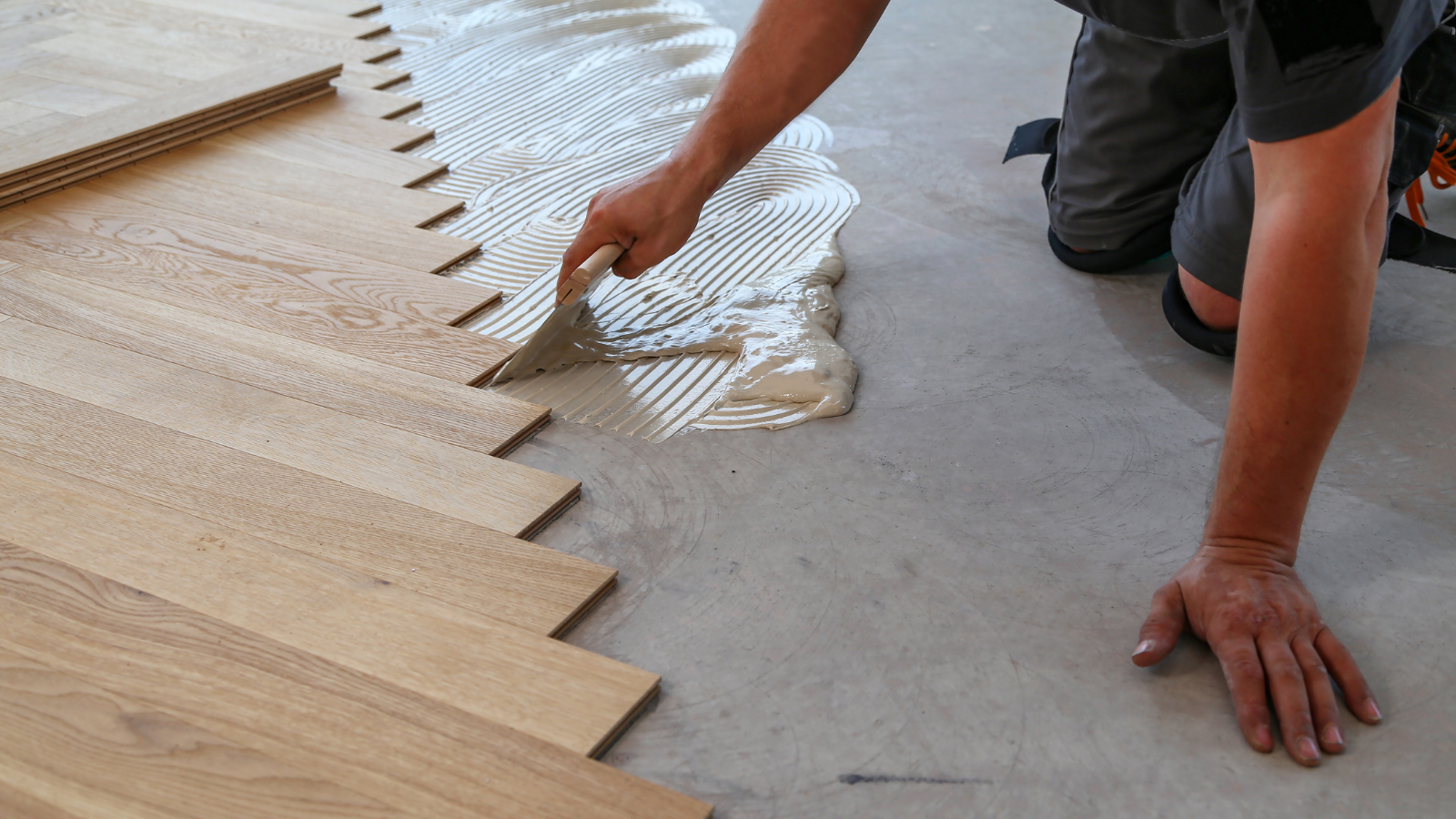
A floating floor is not necessarily the best type of flooring installation and not always possible for some floors i.e. fitting over joists. In this instance you would need to fit at least 18mm plywood to the joist to create a suitable subfloor for the underlay to be laid on. For solid wooden flooring and Parquet flooring you would need to fix them with glue or nails.