Skip to content


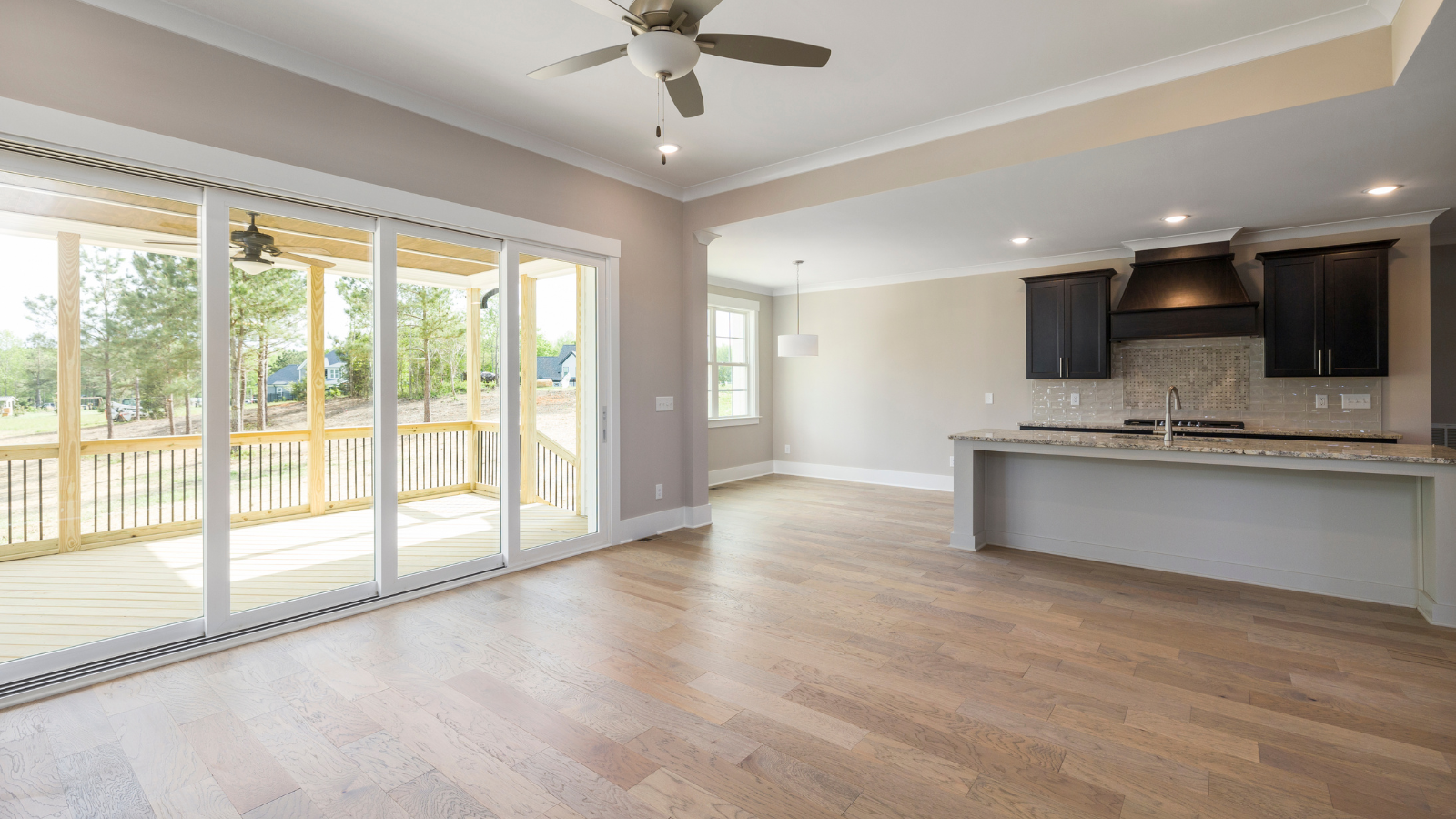
A question we get asked several times is whether it is wise to wooden flooring with pets? There is no reason why gorgeous wood floors and your cherished cat or dog cannot cohabit, even while it is true that mixing pets and hardwood can result in unexpected challenges. Nearly every issue may be solved as long as you accept that your flooring can appear more worn-in than your average showroom sample. You might not even notice the difference if you pick the proper floor type and follow a few simple care guidelines! Continue reading to learn how to maintain your hardwood floors despite the commotion that pets bring.
Claw Clipping
Potential scratches are among the top worries for pet owners who want to convert to hardwood floors. Both cats and dogs have long, sharp nails that can leave unattractive scuffs on fine wood floors; if you hear your dog’s claws scraping the floor while it’s walking, you should either trim its nails yourself or take it to a professional groomer. The good news is that it’s quite unusual for these dings and scratches to cause lasting harm. However, keeping pets’ nails trimmed can assist to resolve the problem by preventing the markings from occurring in the first place.
If your dog is exceptionally fluffy, the fur surrounding their paws may be preventing them from walking normally, leading to skids and slips that could cause scratches. Those of us who have pets shouldn’t be alarmed by hardwood floors. A contented, pet-friendly house might result from selecting the proper floor type. Since they are not composed of actual wood, laminate and vinyl flooring frequently have an incredibly durable protective covering that shields them from minor scratches. Solid and engineered wood floors will see wear and tear over time while being highly durable. Although, this simply gives this long-lasting floor more charm and character. For added piece of mind, you may also give your flooring protection with a non-toxic, pet-friendly finish.
Cleaning Up Spills
Speed is the essential word here; if incidents are handled quickly, your hardwood floors should continue to look beautiful. This only becomes an issue once the stain has a chance to set in. The pee-related puddles that cats, dogs, rabbits, and rodents frequently leave can be devastating for your floors. In addition to the moisture, urine includes acid that, can start to deteriorate the top layer of the floorboard and leave a black stain. Avoid using ammonia and immediately clean up the spill with a solution of vinegar and warm water.
If the mishap happens on a rug or piece of floor furniture, move it until it has been thoroughly cleaned and dried. Housebreaking a new pet is important if you have hardwood floors in your house. Place training pads (be sure they have a plastic backing!) in rooms of the house where mishaps are more likely to occur.
Keep in mind that any moisture is still bad for your gorgeous new floors. In rooms with tiled floors, place food and water bowls; alternatively, use an absorbent pad in the feeding area.
Runners and Rugs
Rugs and runners can benefit your flooring by protecting heavily trafficked areas and giving your pet a cosy place to rest. A cosy rug is a terrific method to help tiny animals feel at home. This is because they may have problems crossing wood floors in colder areas, like rabbits. Why not install luxurious underfloor heating beneath engineered wood or vinyl plank flooring to warm up the entire space? Consider using a runner to prevent scratches and marks from growing when your dog runs along the same paths. When you and your dog wander about the house several times a day, areas like hallways and doors can rapidly become worn down. Additionally, the safety runner might assist stop your dog from sliding on the floor and perhaps hurting itself.
Prevention Methods
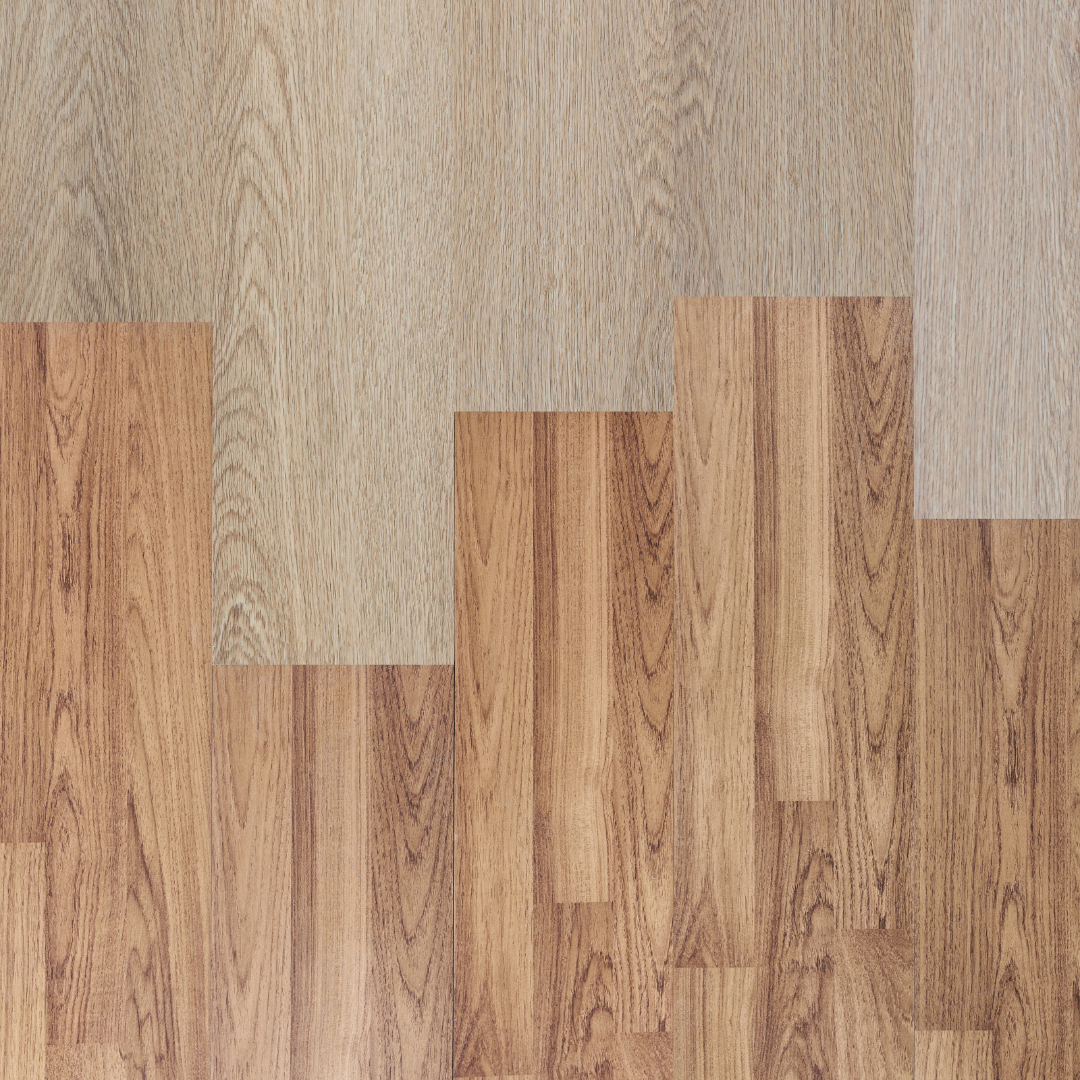
When choosing new flooring to fit your pet-friendly lifestyle, you need take into account three factors: type, species, and finish. For advice on selecting the ideal wood flooring for your home, keep reading. In houses with dogs, luxury vinyl plank flooring is a fantastic option. This floor type is incredibly durable, resistant to scuffs and spills, and simple to keep clean. This DIY-friendly choice is also reasonably priced. While vinyl floors can last for up to 20 years, they lack the strength and permanence that hardwood provides. Nothing else will do if you want the look and feel of real hardwood. Solid hardwood floors can be sanded down and refinished to look almost brand new despite potential threats from moisture and scratches. Engineered wood flooring has a reduced lifespan guarantee. However it is suited for settings with high moisture content, such as basements, and can be used with underfloor heating.
Wood Types
Concerned about scrapes and scuffs? Whether you have pets or not, choose stronger wood types over softer ones that will dent so easily. Consider wood with strong graining or lighter-colored woods, which will better conceal scratches. Distressed hardwood is a great option to conceal daily wear and tear if you like the look. On solid and engineered wood floors, multiple coats of a durable finish will stop scratches from entering the hardwood itself, allowing these to be simply topped up. Don’t be alarmed by the prospect of having wooden flooring with pets ; millions of homes do so happily and without incident. It’s essential to choose the correct wood types and designs, clean up spills immediately, watch for nails, and set up your home for your darling pet with cosy rugs and water-resistant mats.
I hope this article has explained that it is perfectly fine to have wooden flooring with pets in your home. if you would like more advice on the best types of flooring please get in touch