Skip to content


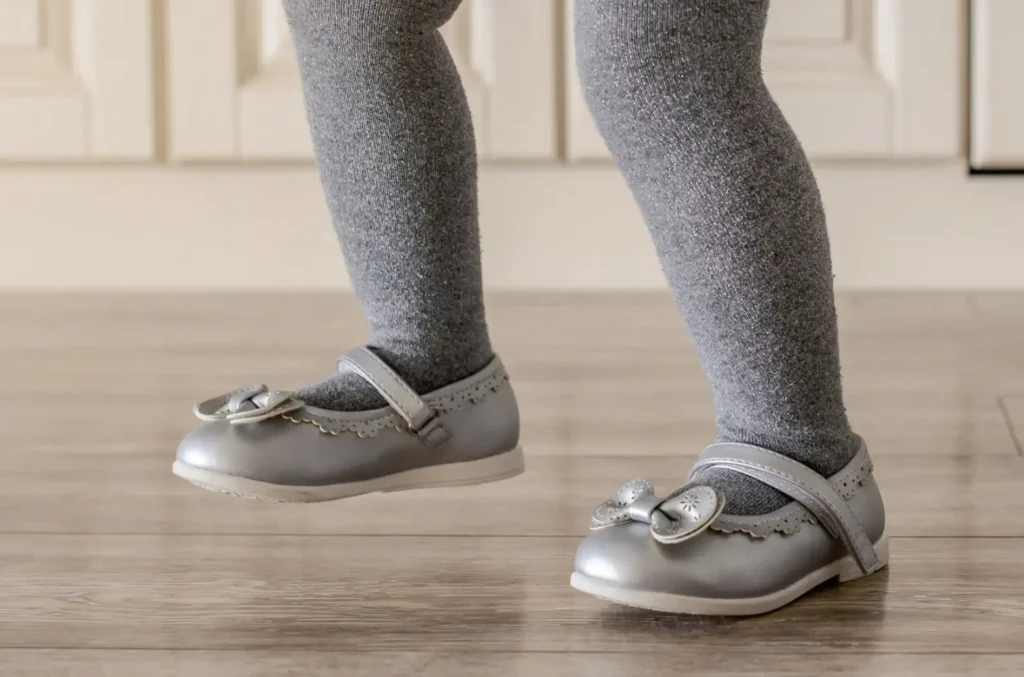
There’s nothing more annoying than the familiar creak of a squeaky wooden floor – especially when you’re trying to sneak across the room without waking anyone up! Whether it’s in a charming period home or a newer build, squeaky floorboards are a common problem across UK households. Here’s everything you need to know about fixing squeaky wooden floors, and how to prevent future squeaking.
Why Do Wooden Floors Squeak?
Squeaky floors are usually caused by movement. This can happen when:
- Floorboards rub against each other.
- Boards move against nails or screws.
- The subfloor and floorboards have separated slightly.
- Humidity causes the wood to expand and contract.
The noise you hear is usually wood rubbing on wood, or wood rubbing against metal fixings.
Quick Fixes for Squeaky Floorboards
1. Tighten Loose Boards
If the floorboards are accessible (especially in older homes with exposed boards):
- Use floorboard screws or nails to secure loose boards.
- Always screw into a joist for the most secure hold.
- Tap lightly with a hammer and use a punch to sink nails below the surface.
Top Tip: Avoid over-tightening – it can split the wood.
2. Lubricate the Gaps
If the squeak is caused by boards rubbing:
- Sprinkle talcum powder, graphite powder, or WD-40 Dry Lube into the gaps.
- Work it in with a soft brush or cloth.
This reduces friction and often solves minor squeaks – especially in tongue-and-groove flooring.
3. Fix From Below (If Possible)
If you can access the underside of the floor via a basement or crawl space:
- Use wooden shims or construction adhesive between joists and floorboards to eliminate movement.
- Screw small blocks of wood (called cleats) between joists for extra support.
4. Add Screws Through Carpeted Floors
For squeaky subfloors under carpet:
- Use specialist Squeeeeek-No-More kits which let you drill screws through carpet without damaging it.
- The screw head snaps off below the surface, so it’s invisible.
Perfect for newer homes with carpeted upstairs rooms.
When to Call a Professional
If:
- The squeaking is widespread or getting worse,
- There’s noticeable movement or uneven flooring,
- Or the floor is part of a larger structural issue,
…it’s best to consult a flooring specialist or carpenter. In some cases, the subfloor may need reinforcing or replacing.
Preventing Future Squeaks
- Maintain stable humidity levels at home to avoid wood expansion.
- Install floorboards properly with the right spacing.
- Always use the right fixings for your floor type.
- For new floors, consider glue-down engineered wood which is less prone to movement.
Final Thoughts
Squeaky wooden floors are frustrating – but with a bit of know-how, many can be fixed quickly and easily. Whether it’s a sprinkle of powder or a couple of well-placed screws, silencing that creak can make your home feel solid and sound once again.