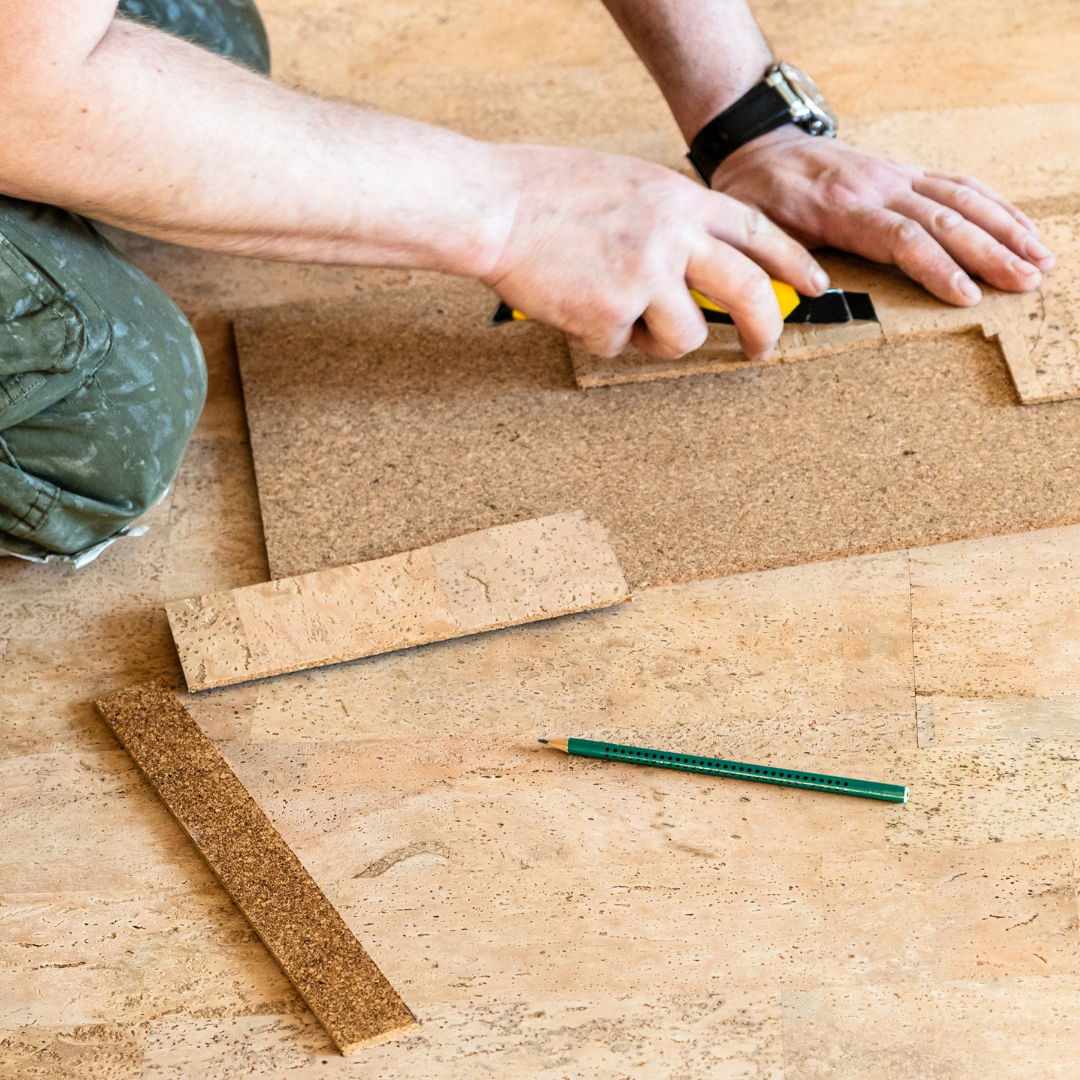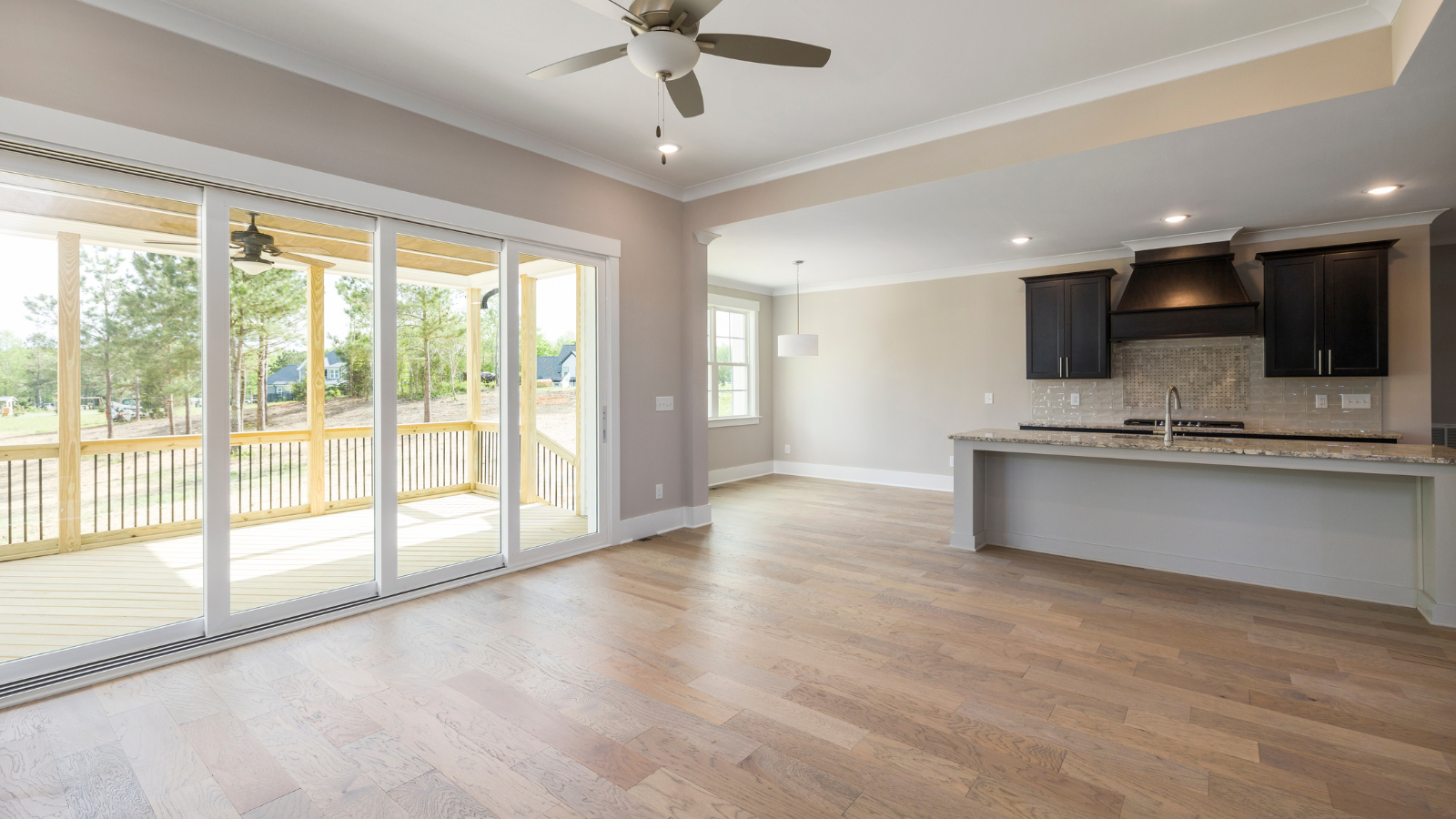

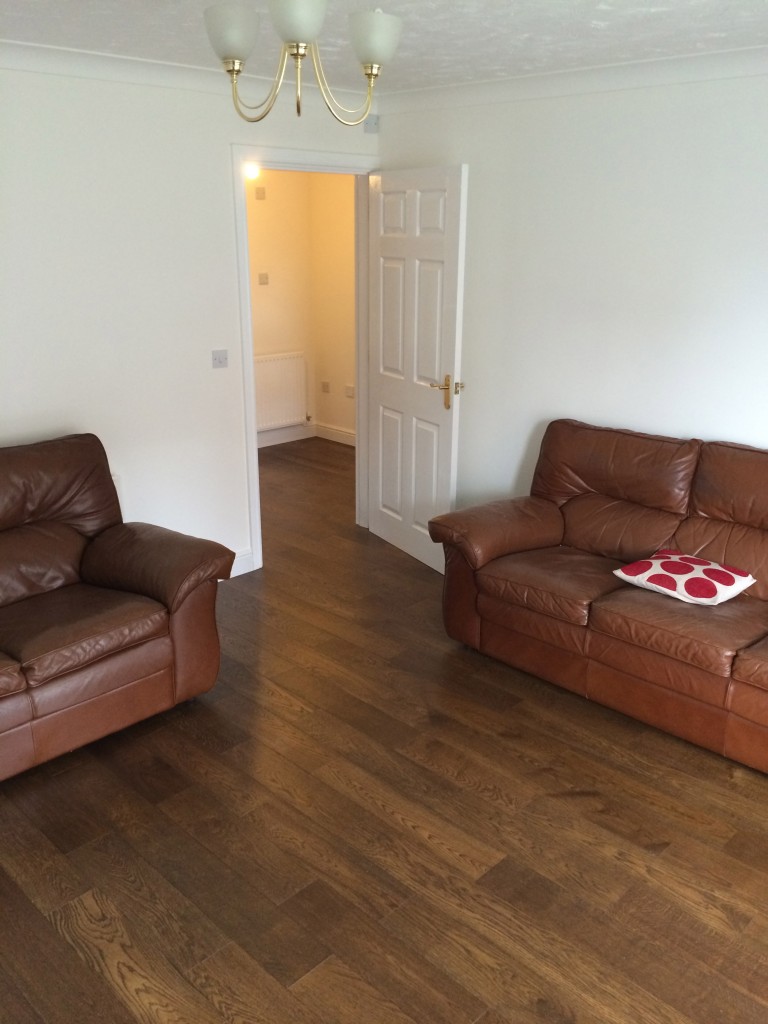
Wooden engineered flooring is generally constructed using the the tongue and groove system, meaning that the board features and a lip on one side and a groove on the other side so that the planks can be joined together securely. The boards are usually butted together at 45˚ to allow the tongue to easily slide into the groove of the other board. Once the board is laid flat, this creates a secure, sealed join with the accompanying board.
The thicknesses of wooden engineered flooring can vary from thin boards of 14mm thick with a 3mm solid wood top layer up to 20mm thick with a 6mm solid wood top layer. Choosing the thickness will depend on other factors not associated with budget. If you are opting for underfloor heating underneath your boards then the thickness of the board will have a huge effect on the efficiency of the heating. It would be advisable to consult an expert to help determine the suitable thickness of the board required.
Another issue to consider when choosing the thickness of your wooden Engineered Flooring is the height of other floors and whether the floor will fit under doors without them having to be adjusted.