Skip to content



Wooden floors are a timeless choice that adds warmth, elegance, and value to any home. However, achieving that perfect floor requires more than just picking out the right wood species and installation style. Many homeowners make simple yet costly mistakes during the selection, installation, and maintenance process that can affect the appearance and longevity of their wooden floors. In this blog, we’ll explore some of the most common wooden flooring mistakes to avoid, ensuring that your floors stay stunning for years to come.
Choosing the Wrong Wood Species for Your Needs
Why It’s a Mistake:
Different wood species have varying levels of durability, color, and texture. For example, softer woods like pine may scratch easily and may not be suitable for high-traffic areas, while harder woods like oak or hickory can handle more wear and tear. Choosing the wrong wood species for your lifestyle or climate can lead to premature wear or a floor that doesn’t match your design vision.
How to Avoid It:
Before selecting a wood species, consider the traffic and function of the area where it will be installed. For example, if you have a family with pets and children, choose a denser hardwood like oak, maple, or walnut. Additionally, take into account the climate in your area. If you live in a humid climate, engineered wood or moisture-resistant finishes might be a better option than solid wood.
Ignoring the Acclimation Process
Why It’s a Mistake:
Wood is a natural material that expands and contracts with changes in temperature and humidity. Failing to properly acclimate wooden flooring before installation can lead to warping, gaps, or buckling once the wood settles into the environment.
How to Avoid It:
Allow your wooden flooring to acclimate to the room’s temperature and humidity for at least 48 to 72 hours before installation. Leave the boxes of wood open in the room where the flooring will be installed. This gives the wood time to adjust to the space’s conditions, reducing the risk of expansion or contraction after installation.
Overlooking the Importance of Subfloor Preparation
Why It’s a Mistake:
A poorly prepared subfloor can cause your wooden floors to shift, squeak, or even become damaged over time. Uneven subfloors can lead to problems with installation and can affect the overall stability of the floor.
How to Avoid It:
Ensure the subfloor is clean, dry, and level before installation. If your subfloor is concrete, make sure it’s completely dry and consider using a moisture barrier. If you’re installing over an existing floor, make sure the surface is clean and free of any debris. Don’t skip the subfloor inspection—it’s a critical step in ensuring the longevity of your wooden floors.
Not Considering the Room’s Lighting and Color Scheme
Why It’s a Mistake:
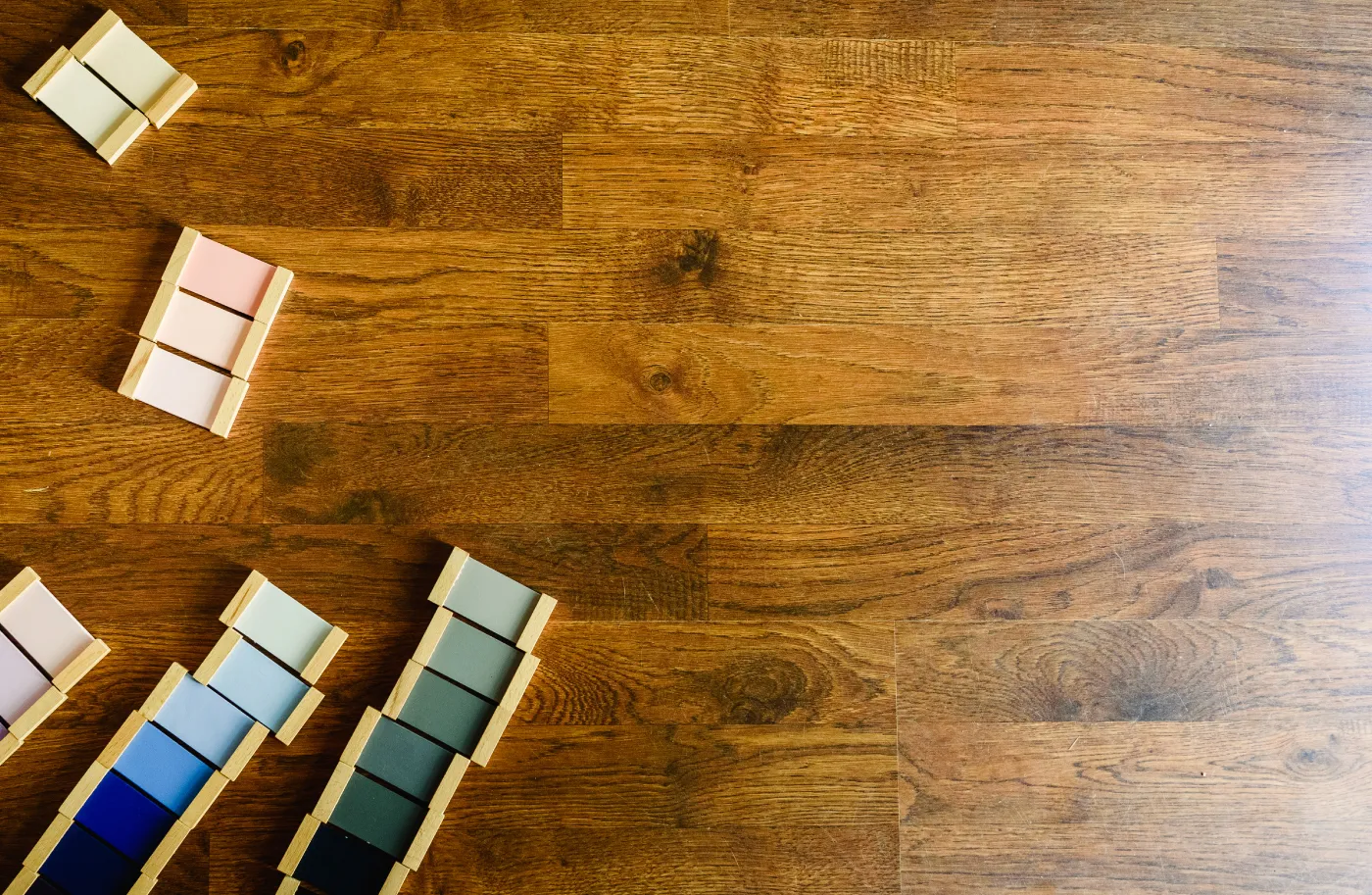
Wood flooring comes in a variety of shades, from light blonde oak to deep mahogany. If you don’t consider the room’s lighting, furniture, and overall color scheme, your wooden floors may clash with the rest of your decor or make the room feel darker or smaller than it is.
How to Avoid It:
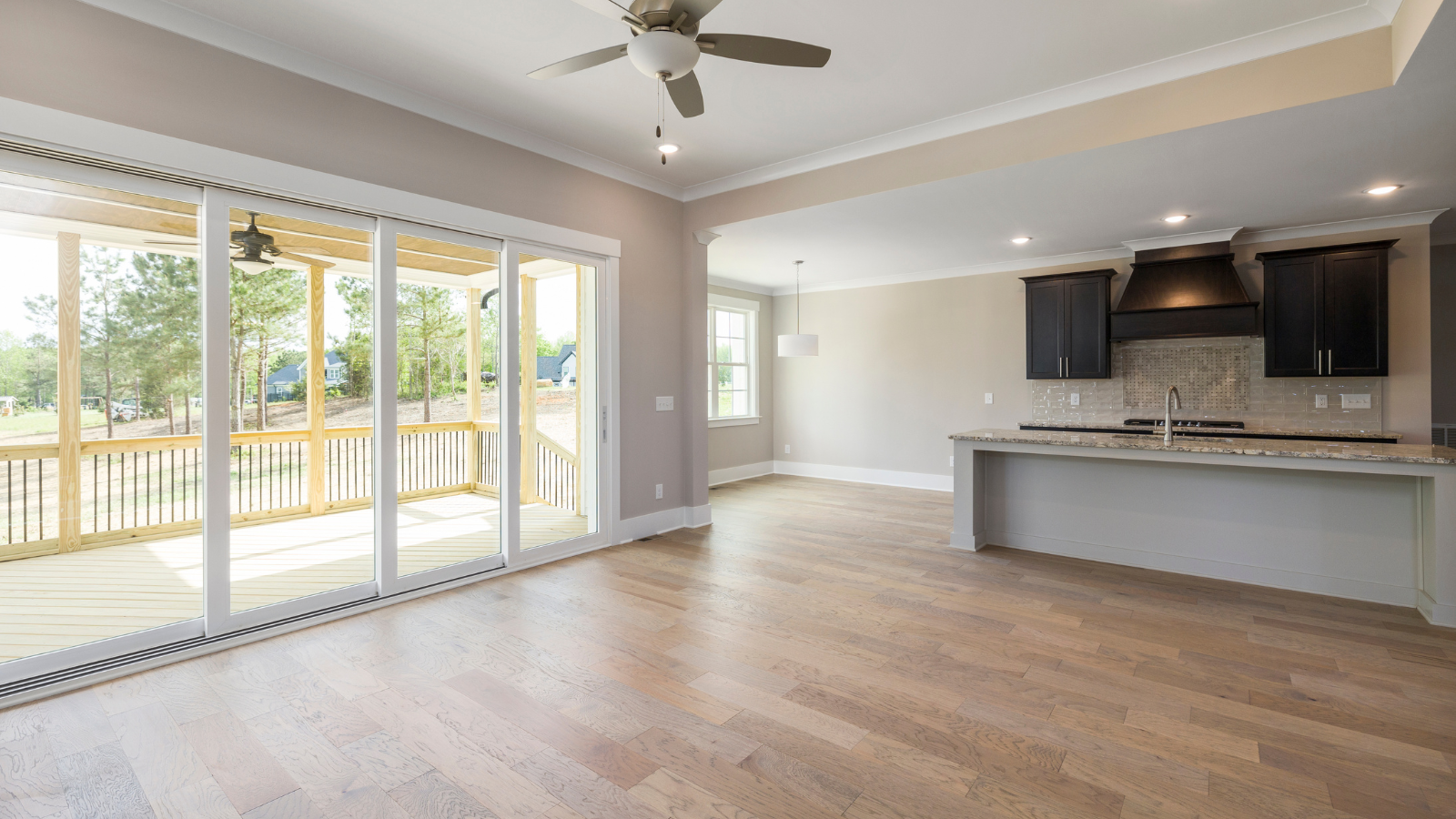
Before committing to a wood color, take a close look at your room’s natural and artificial lighting. Lighter floors work well in rooms with little natural light, as they can make a space feel brighter and more open. Darker floors, on the other hand, add richness and warmth but can make a room feel smaller. Also, make sure your chosen floor color complements your furniture and wall colors.
Skipping the Protective Finish
Why It’s a Mistake:
Wood floors are naturally prone to scratches, stains, and moisture damage. Not applying the right protective finish or neglecting to maintain it over time can lead to a floor that looks worn and damaged prematurely.
How to Avoid It:
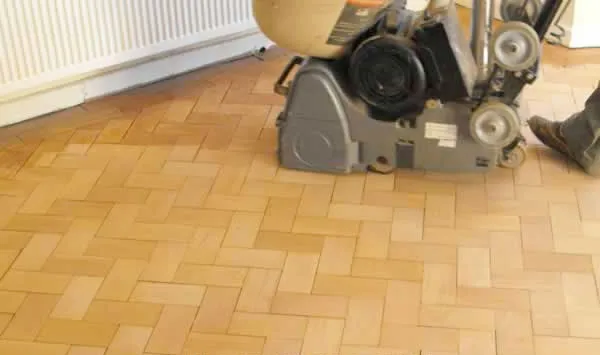
Always apply a protective finish to your wood floors, whether it’s a polyurethane, lacquer, or oil-based product. The finish will help protect against scratches, moisture, and dirt. Be sure to choose a finish that matches your desired look (matte, satin, or high-gloss) and lifestyle. If you’re refinishing an old floor, it’s essential to reapply the finish to keep your floors looking their best.
Improper Installation
Why It’s a Mistake:
Improper installation can lead to uneven floors, gaps between planks, or even damage to the wood. It’s easy to underestimate the importance of professional installation, but cutting corners here can lead to long-term issues.
How to Avoid It:
While DIY installation might seem tempting, it’s usually best to hire a professional if you’re not experienced with wooden flooring installation. Professionals have the expertise to properly align, secure, and acclimate your floors, ensuring they’re installed correctly and will last.
If you do decide to go the DIY route, carefully follow the manufacturer’s instructions and use the right tools. Be patient and make sure every plank is installed properly to avoid problems down the line.
Neglecting to Maintain Your Wooden Floors
Why It’s a Mistake:
Wood floors require regular care to keep them looking their best. Failing to clean and maintain your wooden floors can result in scratches, dullness, and damage. Over time, dirt and debris can also wear down the finish, exposing the wood to damage.
How to Avoid It:
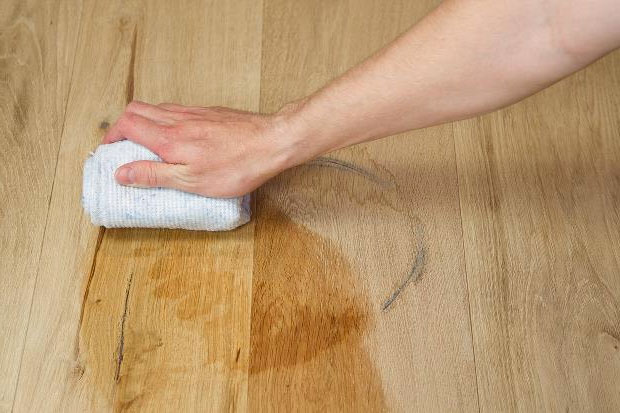
Keep your wooden floors clean by sweeping or vacuuming regularly to remove dirt and dust. Use a soft cloth or microfiber mop with a wood floor cleaner to keep them shiny. Avoid using harsh chemicals or water to clean your floors, as excessive moisture can damage the wood. If your floor starts to look dull, consider buffing it or applying a fresh coat of finish.
Installing Wooden Floors in High-Moisture Areas
Why It’s a Mistake:
Wood is naturally susceptible to moisture damage, and installing it in high-moisture areas like bathrooms, basements, or laundry rooms can lead to warping, buckling, or mold growth.
How to Avoid It:
If you want the beauty of wood in moisture-prone areas, consider using engineered wood or wood-look tiles that are designed for such conditions. Alternatively, you could use wood in lower-moisture areas of the home, such as living rooms or bedrooms, and save moisture-resistant materials for bathrooms or kitchens.
Conclusion: Protect Your Investment
Wooden floors are an investment in your home, and by avoiding these common wooden flooring mistakes, you can ensure that your floors look beautiful and last for many years. Whether you’re in the process of choosing, installing, or maintaining your wood floors, a little extra attention to detail can make all the difference.
By understanding the importance of selecting the right species, properly acclimating and installing your floors, and maintaining them with care, you’ll enjoy the timeless beauty and durability that only wood flooring can provide.