Skip to content


Repairing parquet flooring and bringing it back to its original beauty requires careful attention to detail and the right techniques. In this guide, we’ll walk you through the steps to effectively repair and rejuvenate your parquet flooring.
Assess the Damage
Before beginning any repairs, thoroughly assess the condition of your parquet flooring. Identify areas with loose or damaged blocks, as well as any signs of water damage, discoloration, or warping. Understanding the extent of the damage will help you plan and prioritize the necessary repairs.
Gather Your Tools and Materials
To repair parquet flooring, you’ll need a variety of tools and materials, including:
- Replacement parquet blocks
- Wood glue or adhesive
- Putty knife or scraper
- Hammers and nails
- Wood filler or epoxy resin
- Sandpaper or sanding block
- Finish or sealer (optional)
Secure Loose Blocks
Start by addressing any loose or lifted parquet blocks. Carefully lift the affected blocks using a putty knife or scraper, taking care not to damage the surrounding blocks. Clean the subfloor and remove any old adhesive residue.
Apply a small amount of wood glue or adhesive to the underside of the block and press it firmly back into place. Use a weight or clamp to hold the block in position while the adhesive sets, following the manufacturer’s instructions.
Repairing Parquet Flooring Blocks
For parquet blocks that are beyond repair, replacement may be necessary. Carefully remove the damaged block by cutting along the join lines with a sharp utility knife or chisel. Take care not to damage the surrounding blocks or the subfloor.
Once the damaged block has been removed, clean the area and prepare it for the new parquet block. Apply wood glue or adhesive to the back of the replacement block and press it firmly into place. Use a weight or clamp to ensure proper adhesion, and allow the adhesive to cure completely before walking on the repaired area.
Fill Gaps and Cracks
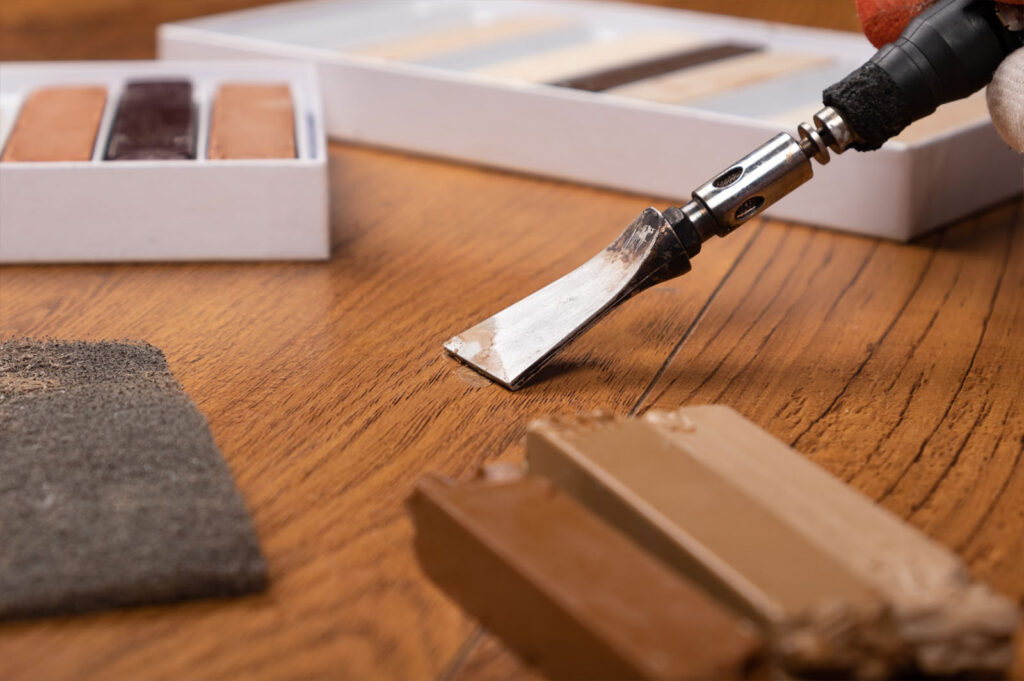
Inspect the parquet flooring for any gaps, cracks, or holes between blocks. Fill these areas using a wood filler or epoxy resin that matches the color of the surrounding blocks. Apply the filler or resin with a putty knife, smooth it out, and allow it to dry completely.
Once the filler or resin has dried, sand the repaired areas gently to create a smooth, level surface. Wipe away any dust or debris before proceeding.
Sand and Refinish (Optional)
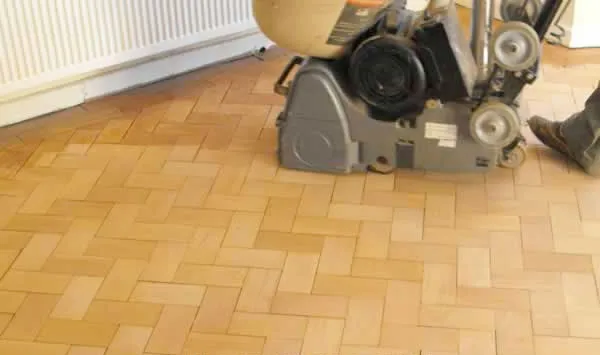
If your parquet flooring has extensive damage or wear, sanding and refinishing may be necessary to restore its appearance. Use fine-grit sandpaper or a sanding block to lightly sand the surface of the flooring, working in the direction of the wood grain.
After sanding, clean the floor thoroughly to remove any dust or debris. Apply a fresh coat of finish or sealer to protect the wood and enhance its natural beauty. Allow the finish to dry completely before walking on the floor.
Regular Maintenance
Once repairs are complete, it’s essential to maintain your parquet flooring to prevent future damage. Avoid dragging heavy furniture across the floor, and use furniture pads to protect the surface. Clean spills promptly to prevent water damage, and sweep or vacuum regularly to remove dirt and debris.
Conclusion
Repairing parquet flooring requires patience, skill, and attention to detail, but the results are well worth the effort. By following these steps and taking proactive measures to maintain your parquet flooring, you can restore its elegance and charm for years to come. Whether addressing minor repairs or undertaking a complete restoration, preserving the beauty of your parquet flooring will enhance the overall aesthetic appeal of your home.
At JG Flooring, we have been repairing wooden floors like, solid oak flooring, engineered flooring and parquet floors for many years. If you need help in bringing your floors back to their original condition with minimal mess, then please get in touch