
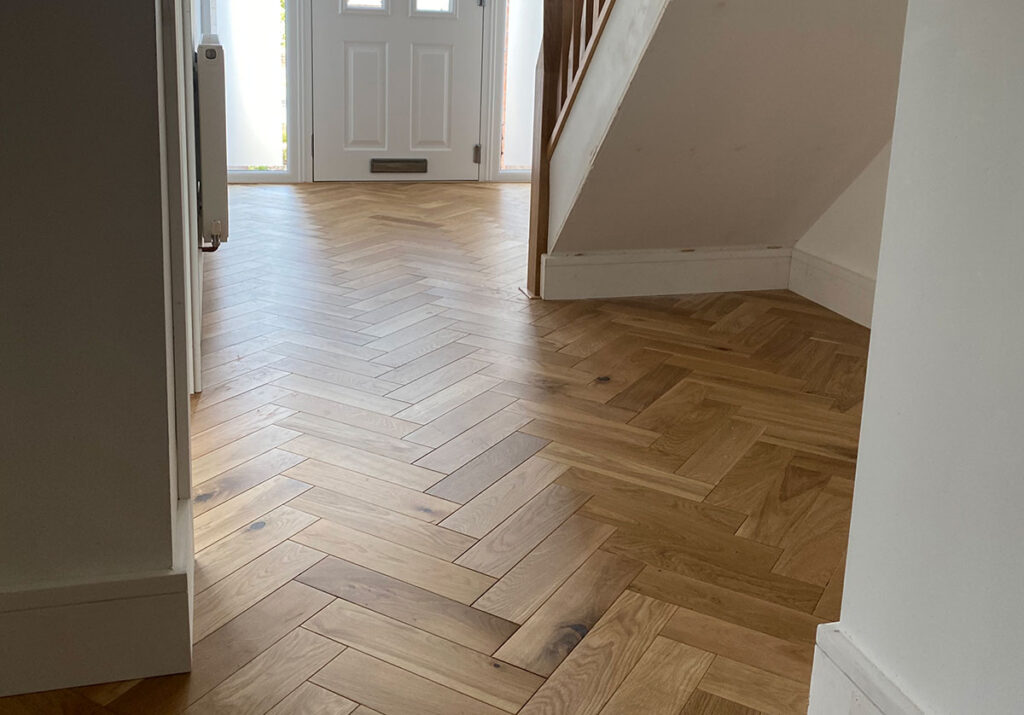
Parquet flooring is generally found in village halls, dance floors, churches, sports halls, gyms and shops, but when professionally installed in your home it can look amazing.
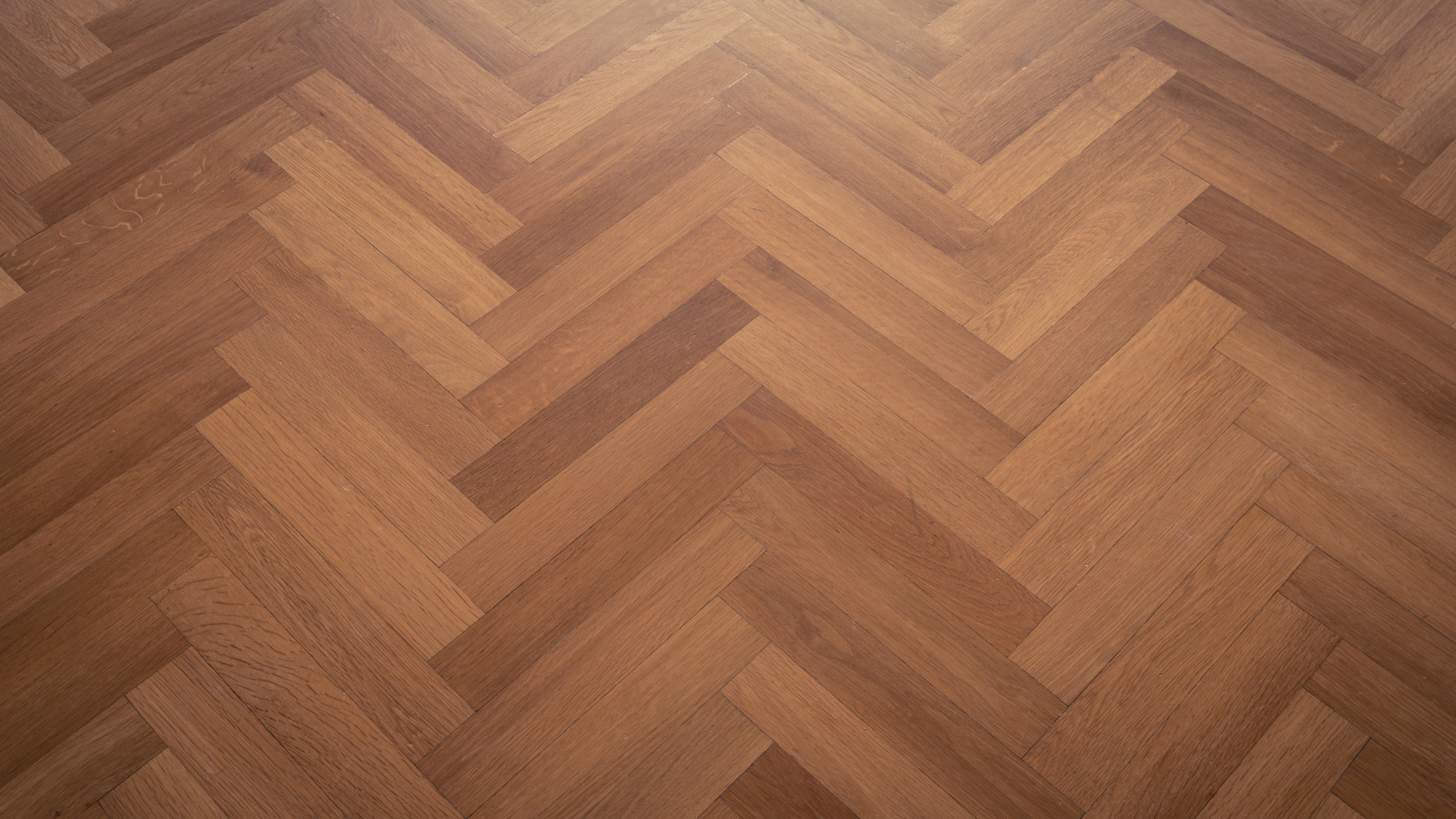
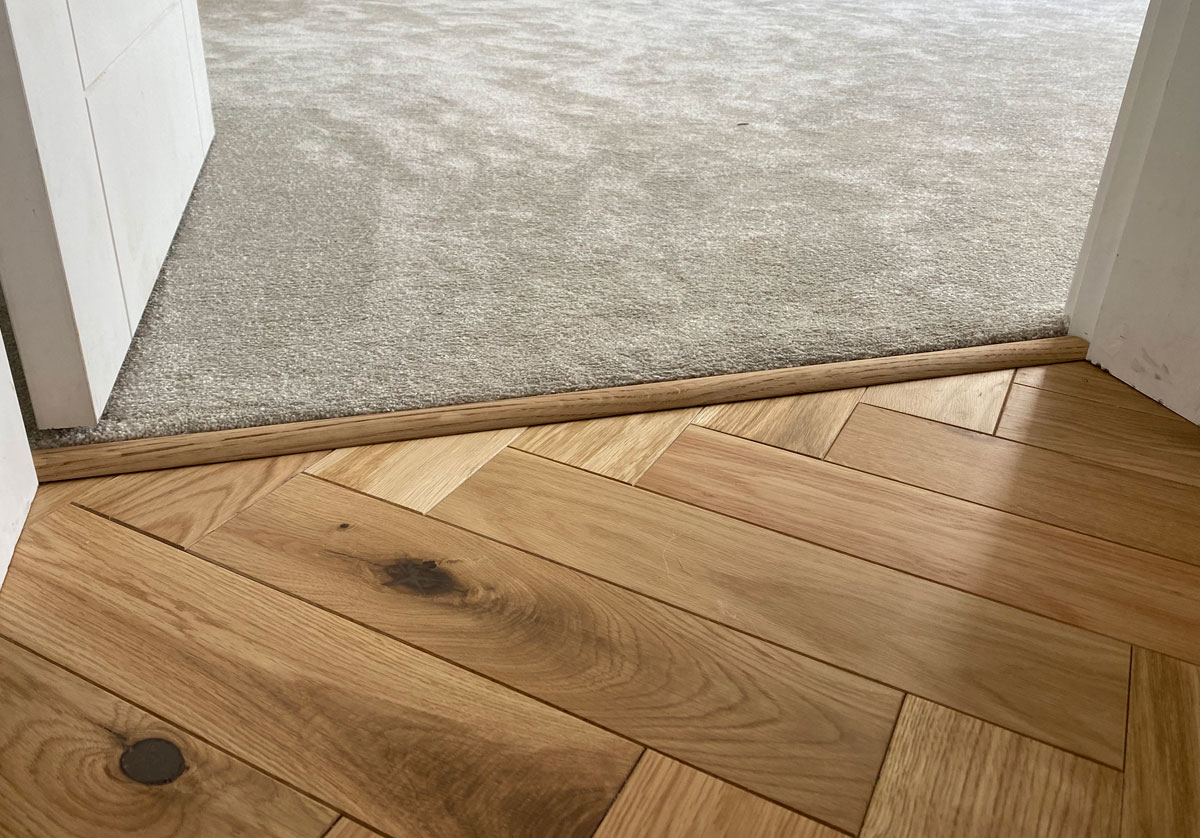
Parquet flooring is made up of individual blocks of solid wood that is usually fitted in a geometric pattern. The small blocks of wood in numerous species, colours and sizes are laid in various geometric patterns like the popular basket weave, chevron and herringbone. If you speak to a professional fitter at JG Flooring we can discuss more adventurous designs.
Professionally Installed Parquet Flooring
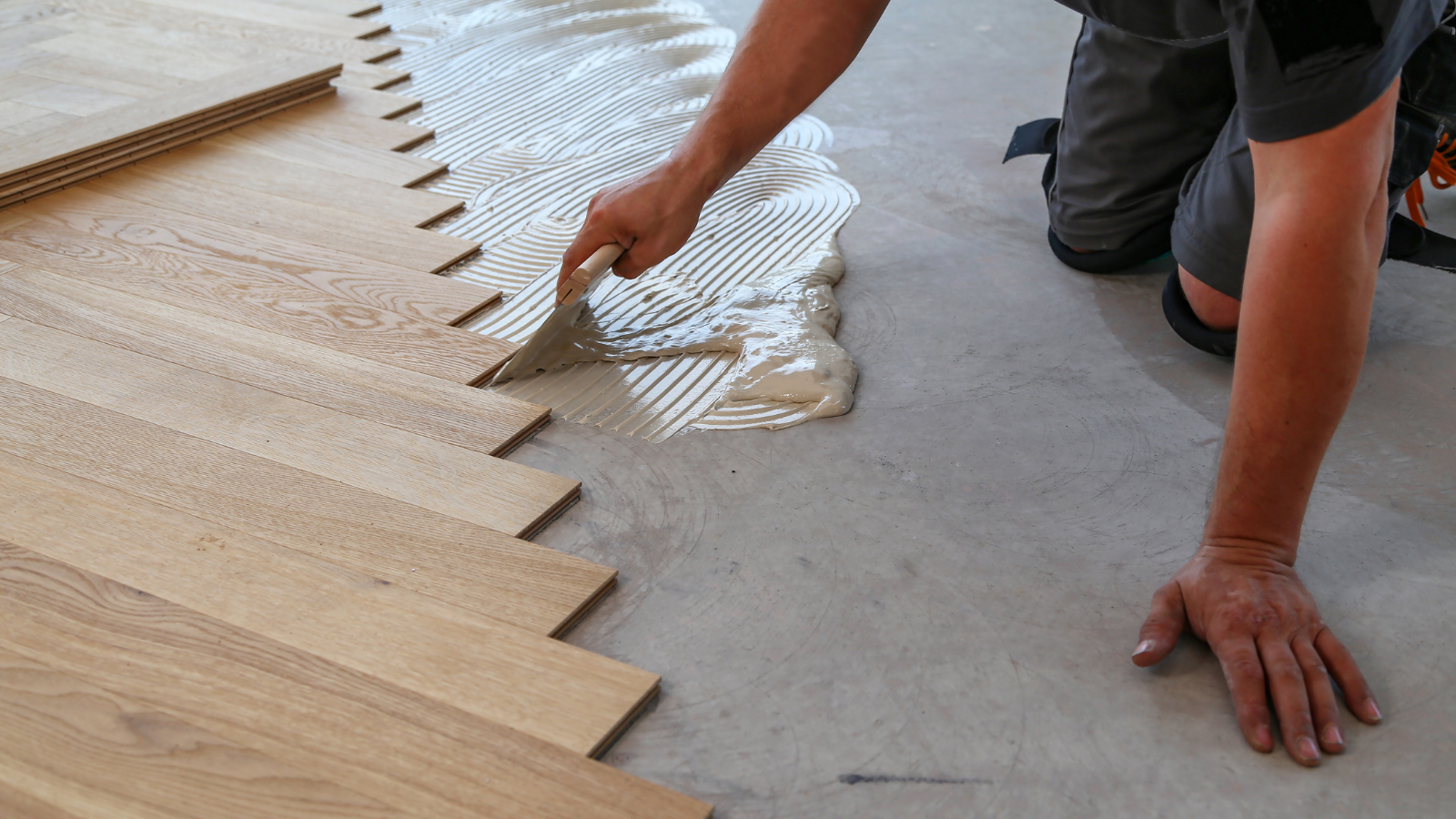
The wooden flooring is glued and pinned on site in the pattern of your choosing. Once all of the flooring has been laid is is then sanded and finished to the highest standard with lacquer, oil or various stains to bring out and enhance the wood whilst also protecting it.


You will find that parquet flooring in older period homes or churches were around 6-7mm in thickness and pinned to the surface with copper nails. Over long periods of time this was found to cause corrosion and staining the parquet wood. To prevent this, we use stainless steel pins that are headless and do not corrode. These pins are almost invisible when used correctly.
Parquet flooring can be laid over underfloor heating and forms a good solid base for floors.
Wood is the perfect material which is ideal when installing it alongside stylish materials like steel, glass and stone. Parquet Wooden Flooring is one example of the type of flooring that has been tried and tested for generations and is being used more than ever in modern homes
Wooden flooring has been part of an architects portfolio for many years and shows how it can be use to create light and airy living spaces in all homes.
Modern homes with walls of glass and flat roofs generally had extensions built which included this type of flooring to compliment the rest of the home.
This Flooring uses traditional designs to create stunning floors using patterns like chevron, versailles, basket and the popular herringbone.