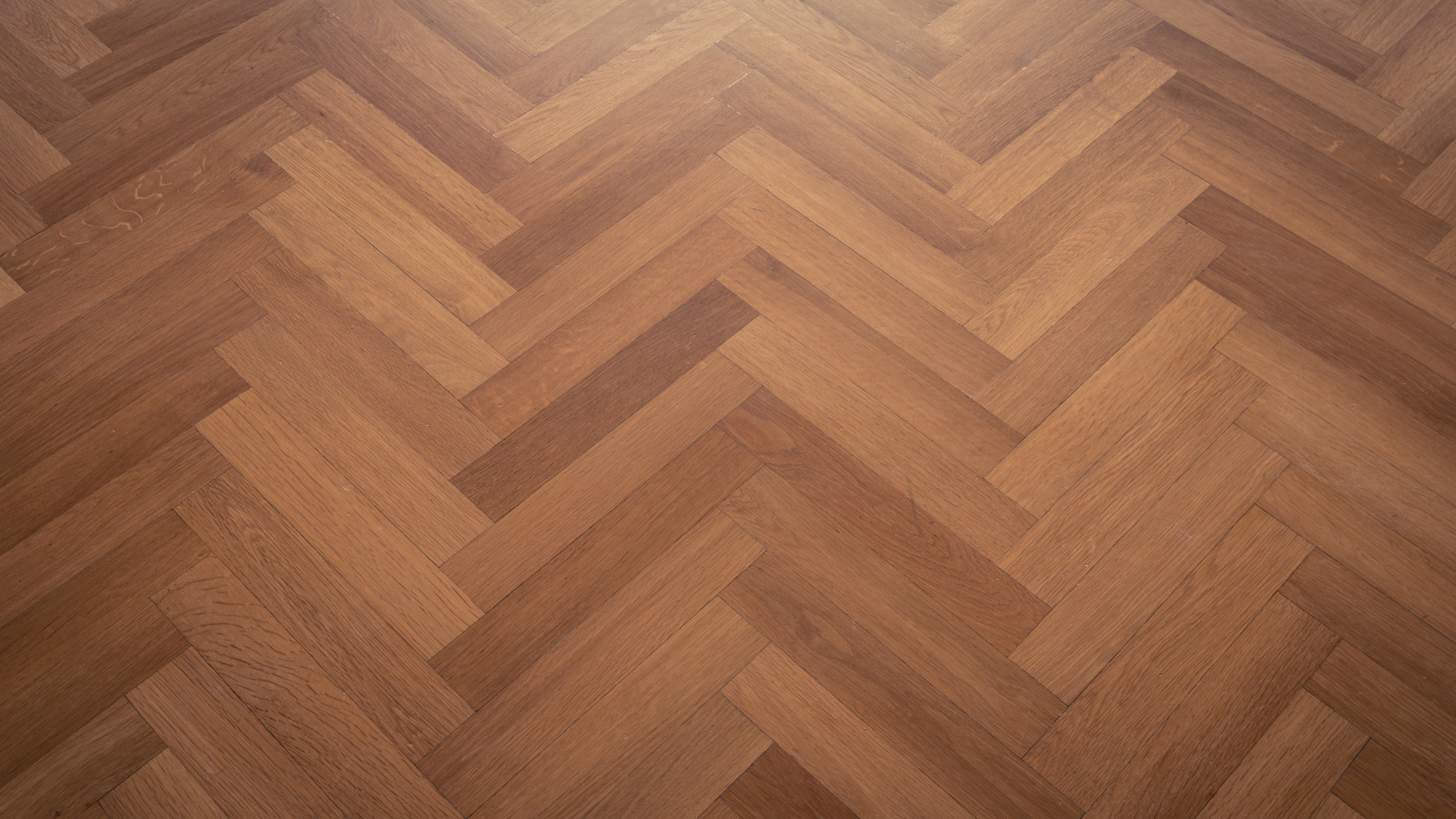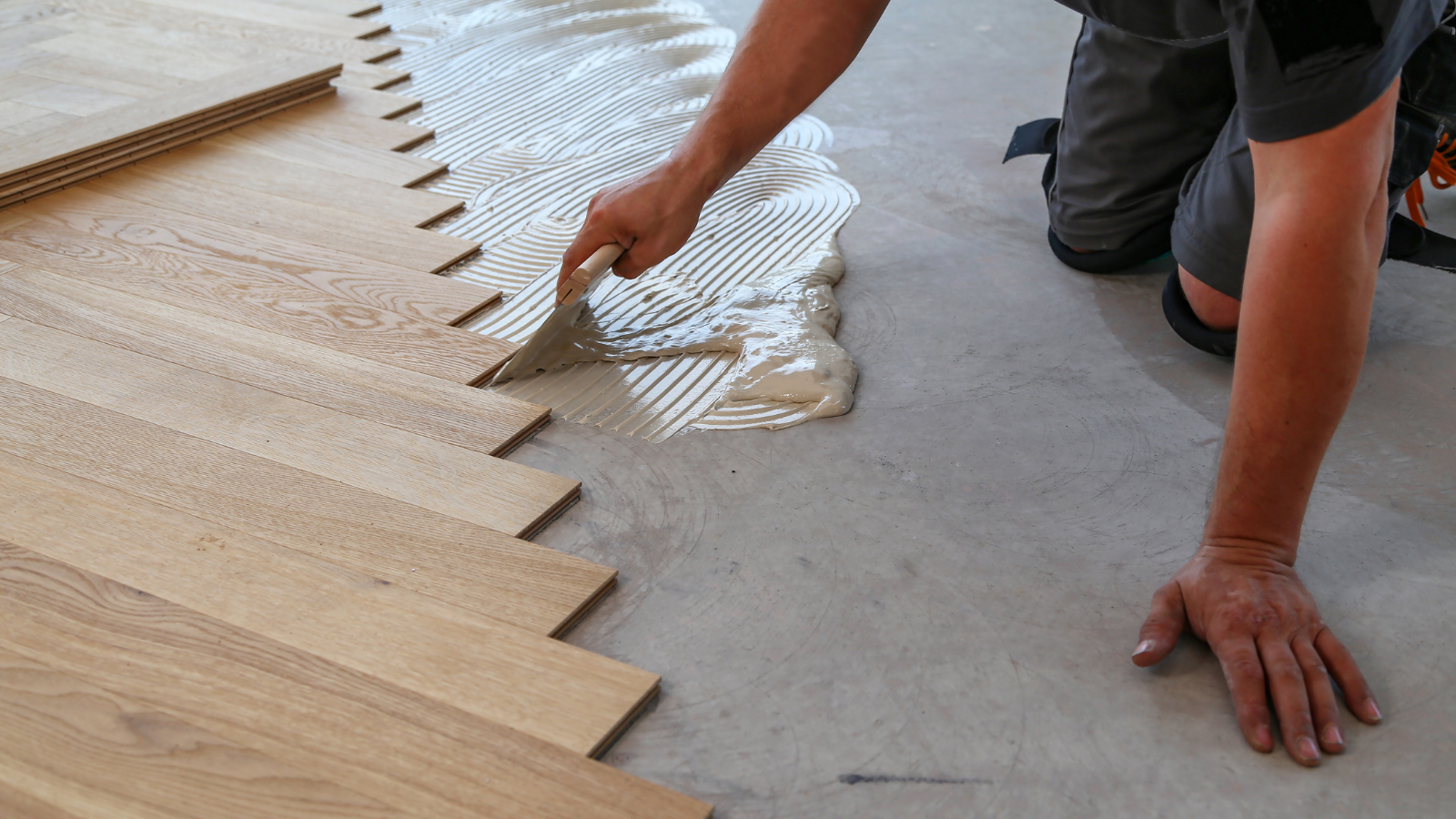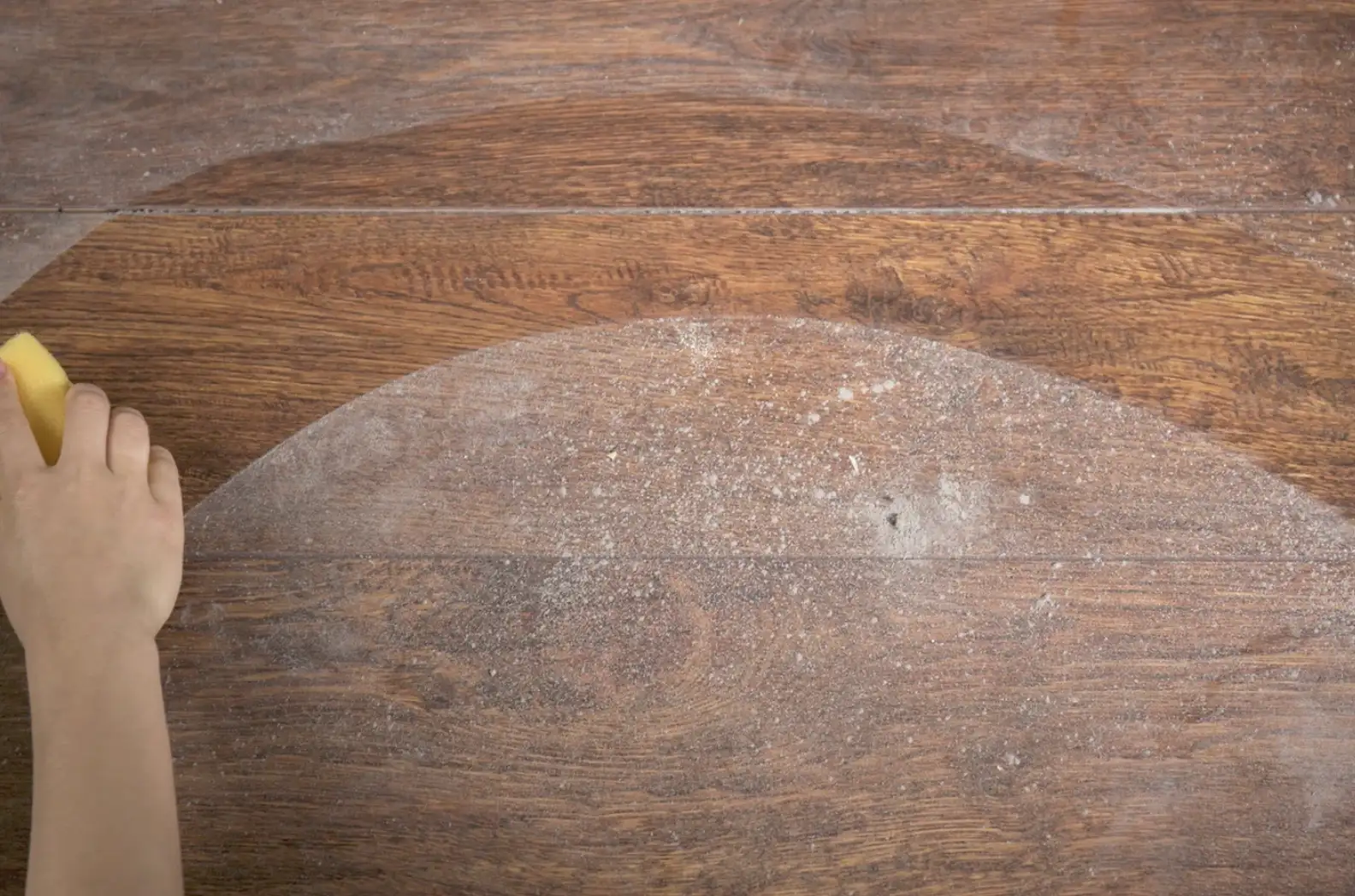


The two most popular types of flooring are laminate and engineered flooring, due to their large ranges of colours, textures and types, but also because they cost considerably less compared to real wood flooring.
How are they made
Engineering flooring is constructed of several layers of softwood and plywood, glued together in different directions to increase strength and structure. The top layer is added for the finish and is usually in a thin hardwood. The top layer is the part that differentiates itself as you can opt for many different types of styles, colour sand textures. Engineered flooring will always look and feel like solid wood flooring but is actually a lot more versatile
Laminate flooring is generally made of fibreboard of MDF. The top layer on laminate is actually a laminated photographic image that gives the impression of real wood. This top layer is extremely durable and scratch resistant unlike engineered or solid wood flooring. Laminate flooring is now becoming more and more real by adding texture and grooves to the boards.
Scratch and Water Resistance
Engineered flooring has a real wood top layer that would have been lacquered to increase the protection levels. This protection will help the wood from instantly soaking up splashes of water but will not prevent permanent damage happening if water is left to penetrate the boards when left to settle on the surface.
Laminate flooring contains a water proof top layer which makes it ideal to be fitted in damper areas such as bathrooms and kitchens. Like engineered flooring though, the joints between the boards on laminate flooring are not waterproof, so resting water will penetrate the board, causing swelling and expansion. There are some laminate flooring brands like QuickStep that produce a fully waterproof option with an interlocking joint that does not allow water to penetrate.
Engineered flooring with its real wood top layer, will scratch and mark like its real wood counterpart, but like real wood, the surface can be sanded down to remove such marks. The surface can then be re-finished to bring it back to its as new condition.
As laminate flooring is only a laminated photograph top image, this is designed to withstand marks and scratches. If the top surface is damaged though, it can not be sanded and re-finished like engineered flooring though.